
Luigid
.
- Joined
- Sep 24, 2017
- Messages
- 110
- Likes
- 91
Hi guys, after more than 11 years since its creation we're back in action...
It was my fifth-grade project for the exam (a bizarre way to get the highest grade in the oral exam, perhaps? )
)
Over the years I made some updates like the USB C port and 4 bolts to remove the rear plexiglass part...
in addition to the weight which is not exactly "family friendly" (about 800 grams), over time both the directional and action buttons stopped working (oxidation or something else), unfortunately the way it was built meant practically "destroying" it since hot glue seemed to be my only friend lol
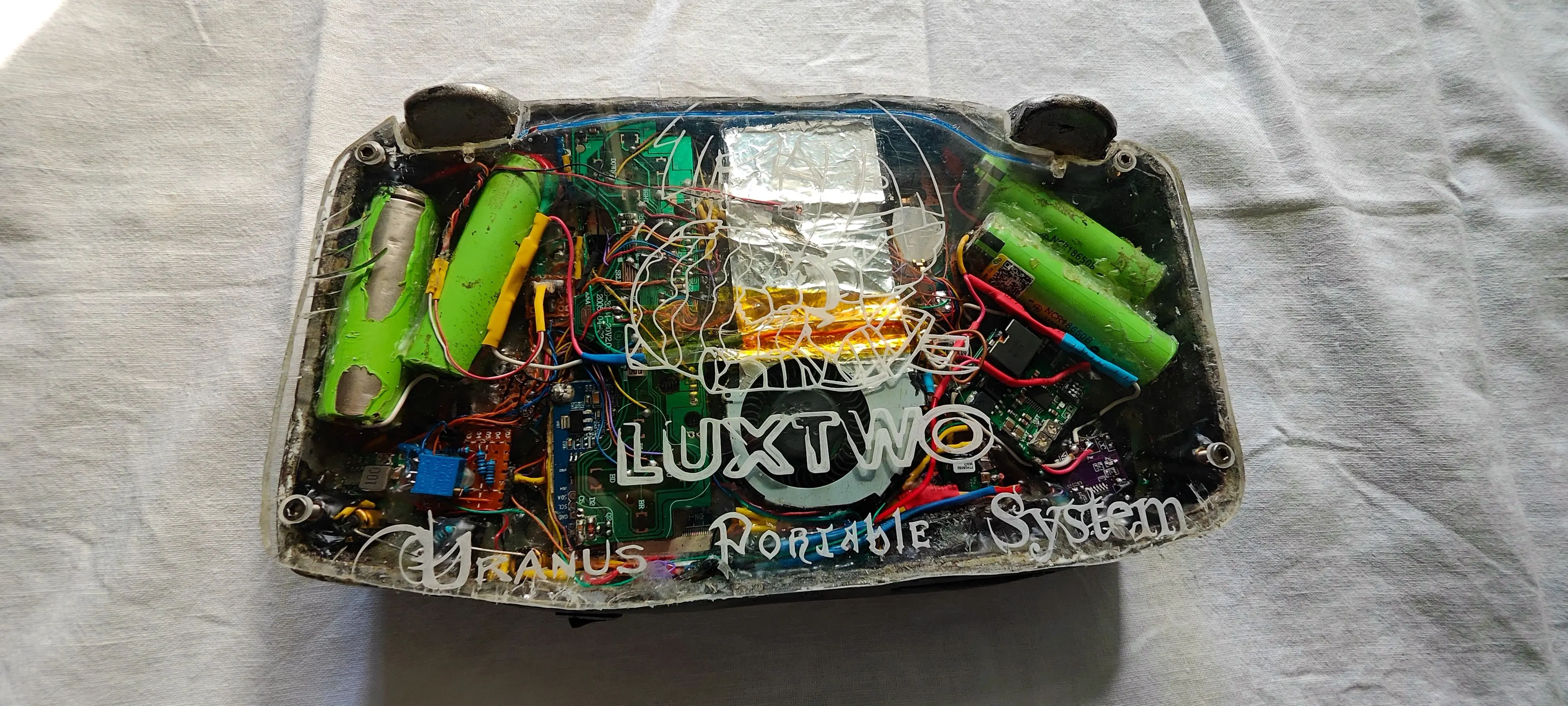
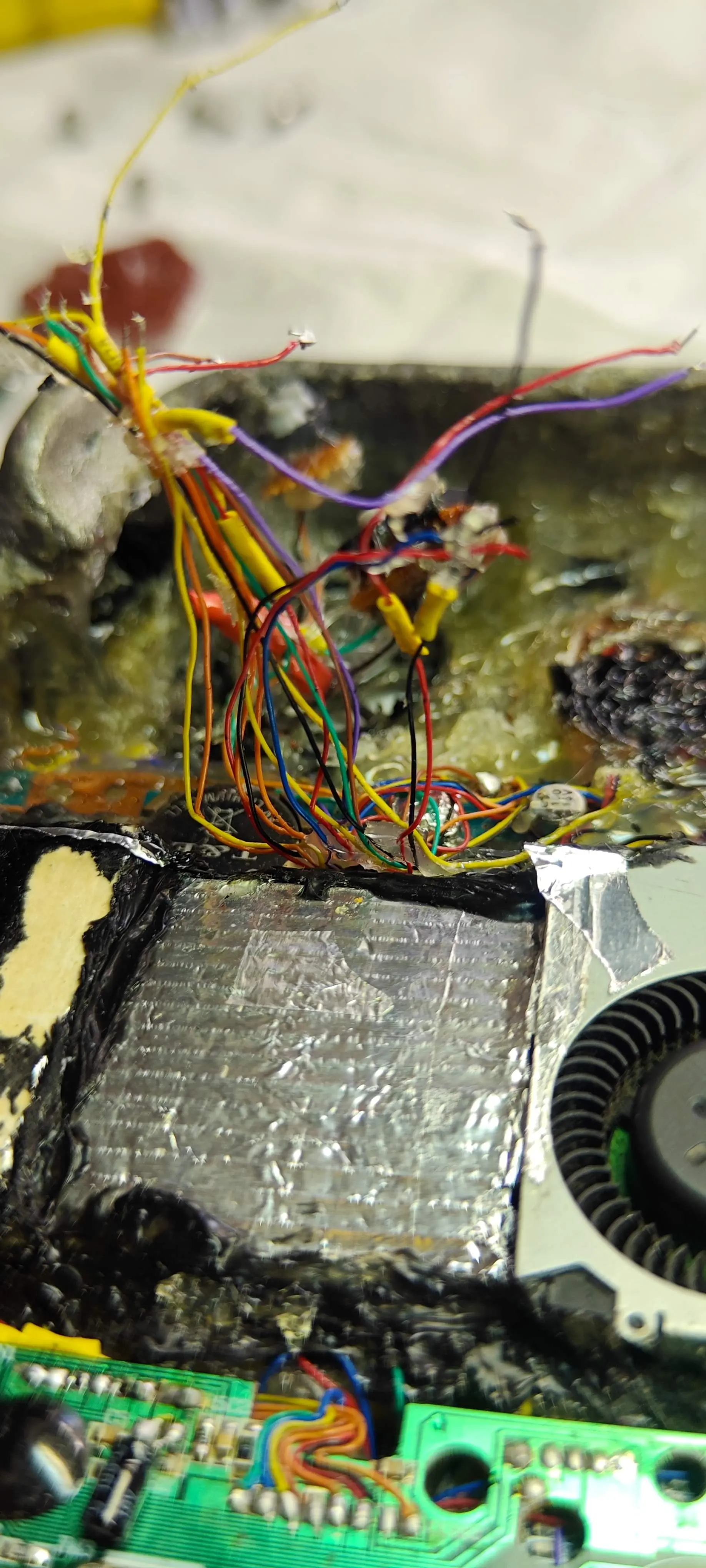
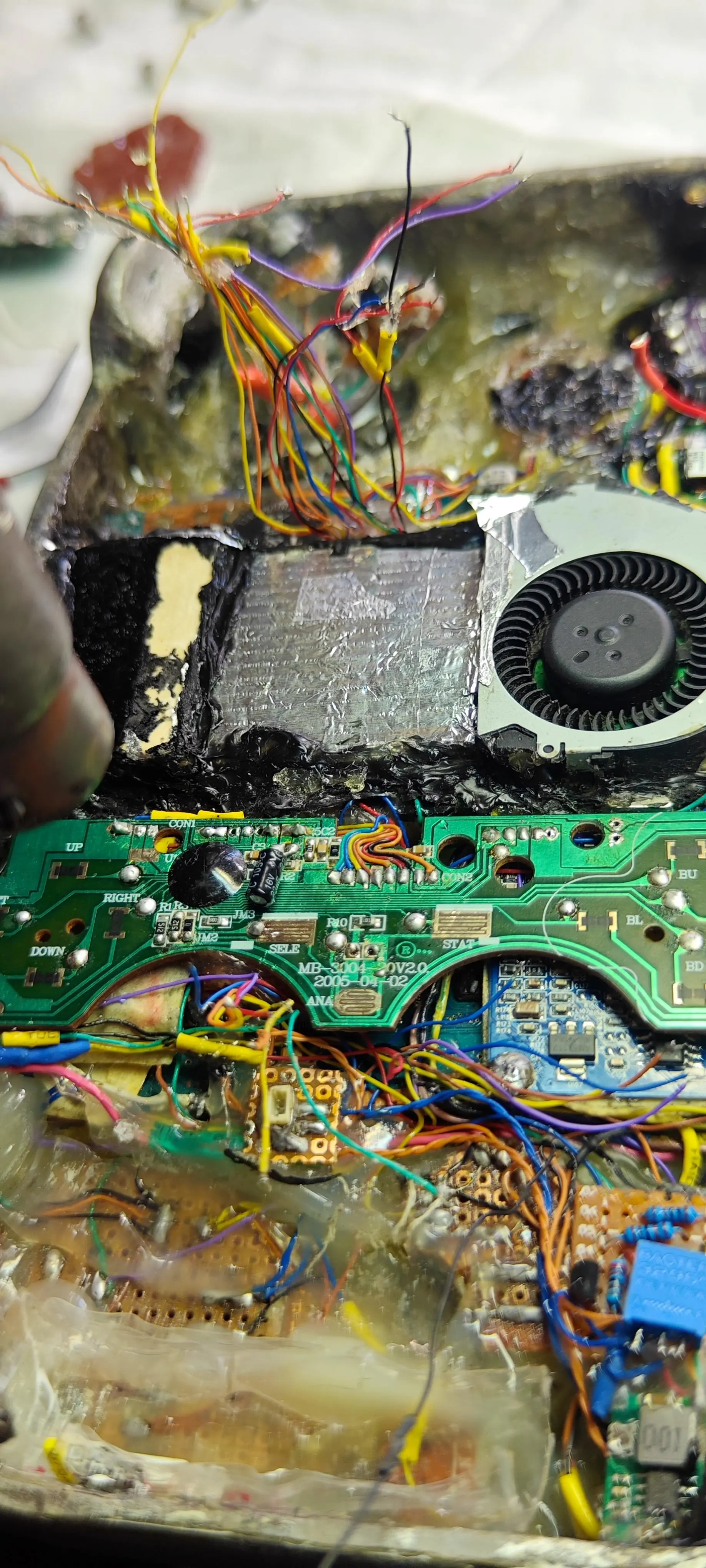
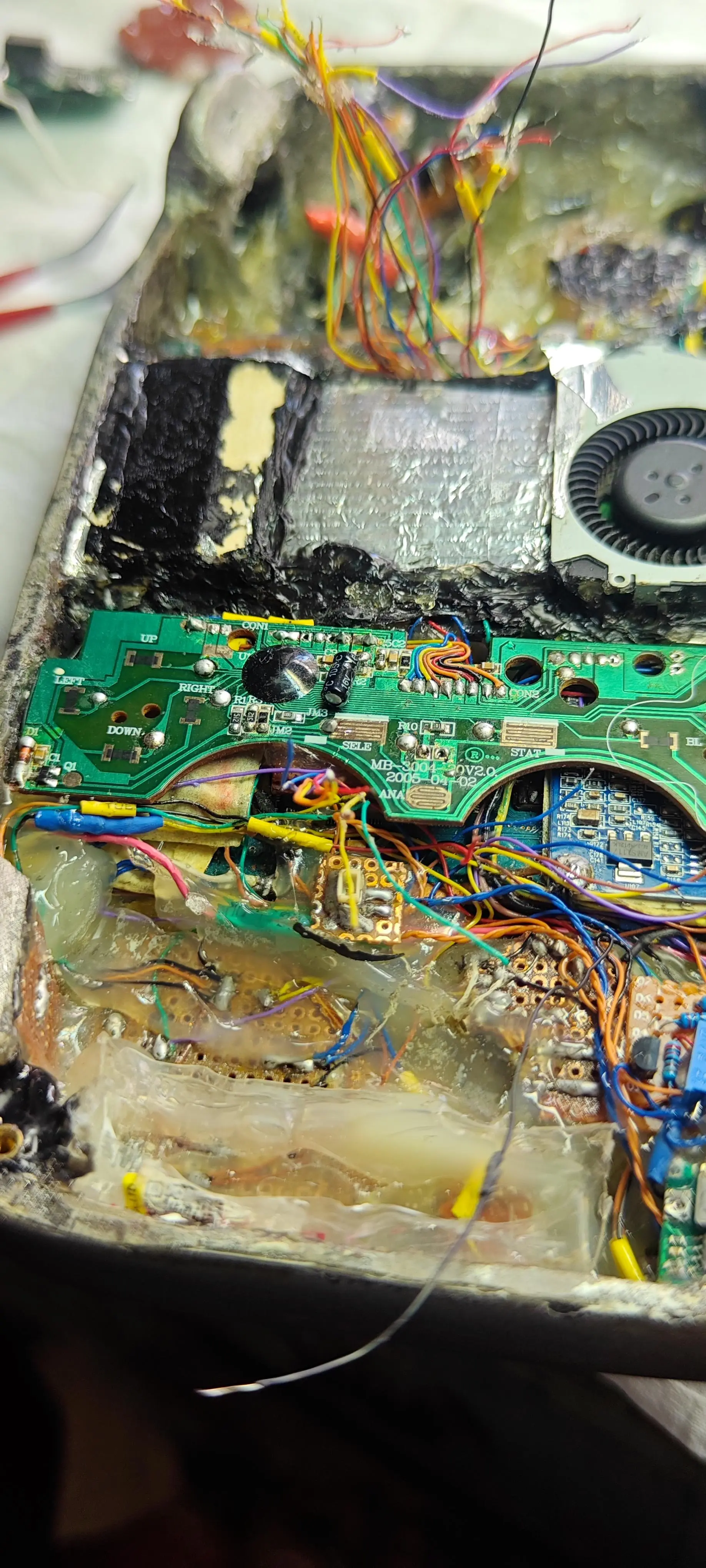
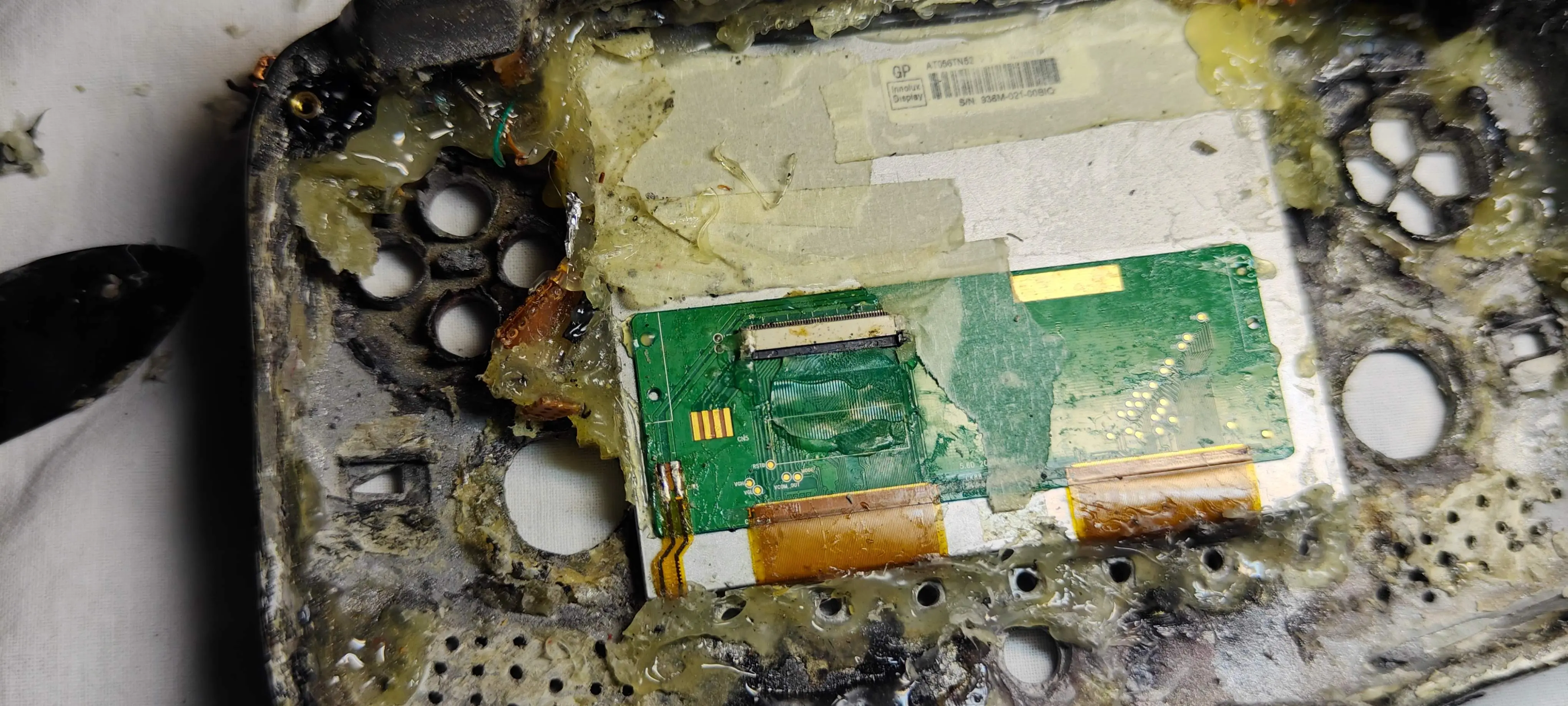
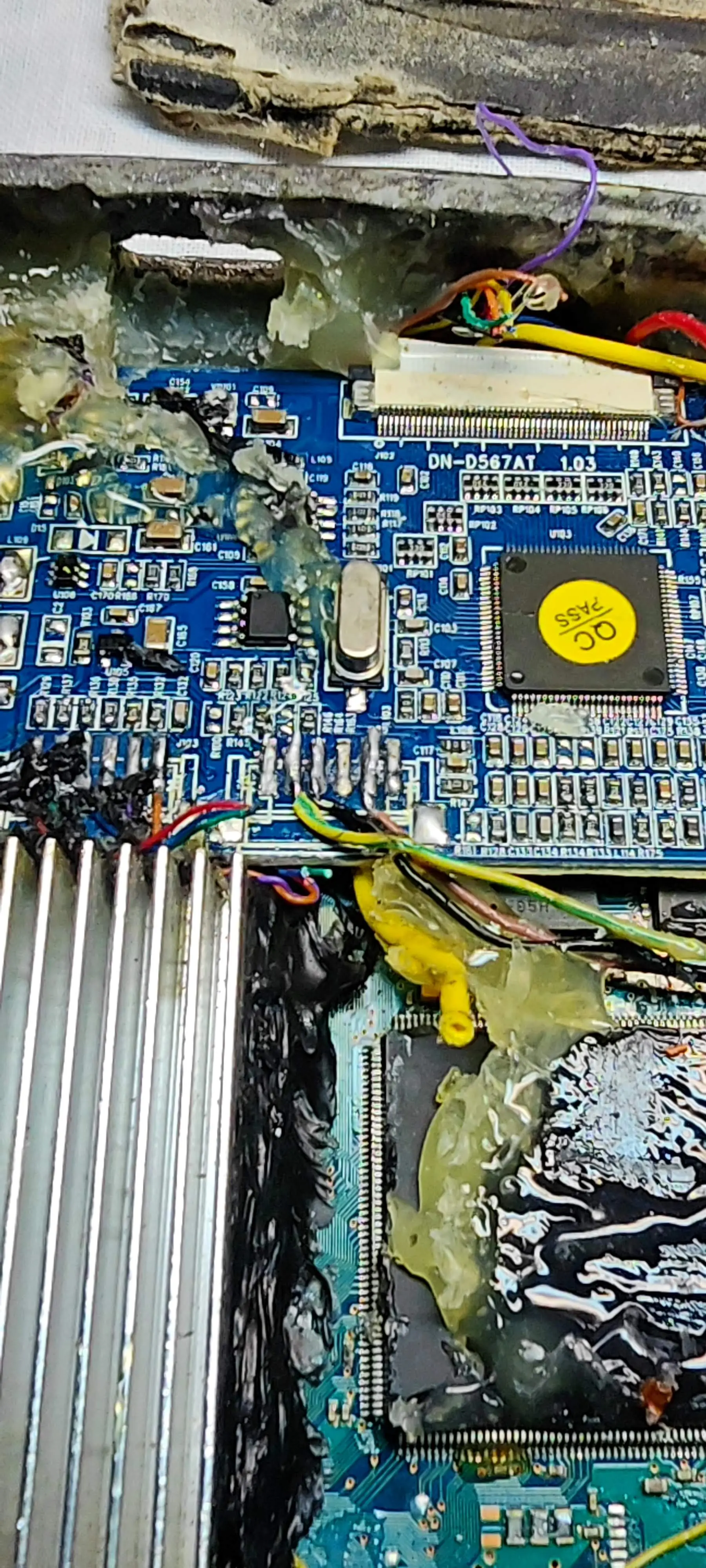
so the only "drastic" but necessary solution was to dismantle it into every piece...
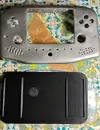
but like a happy person I want it to rise from the ashes, the case already initially seems that the paint has never catalyzed completely remaining "soft" so with weights or other things in contact it deformed ruining the aesthetics, the heat necessary in the disassembly did the final blow, however the sheet used and modeled by hand is very heavy on its own and in this era it actually does not seem the best way to re-use it, together with the rear in plexiglass which is also quite heavy.
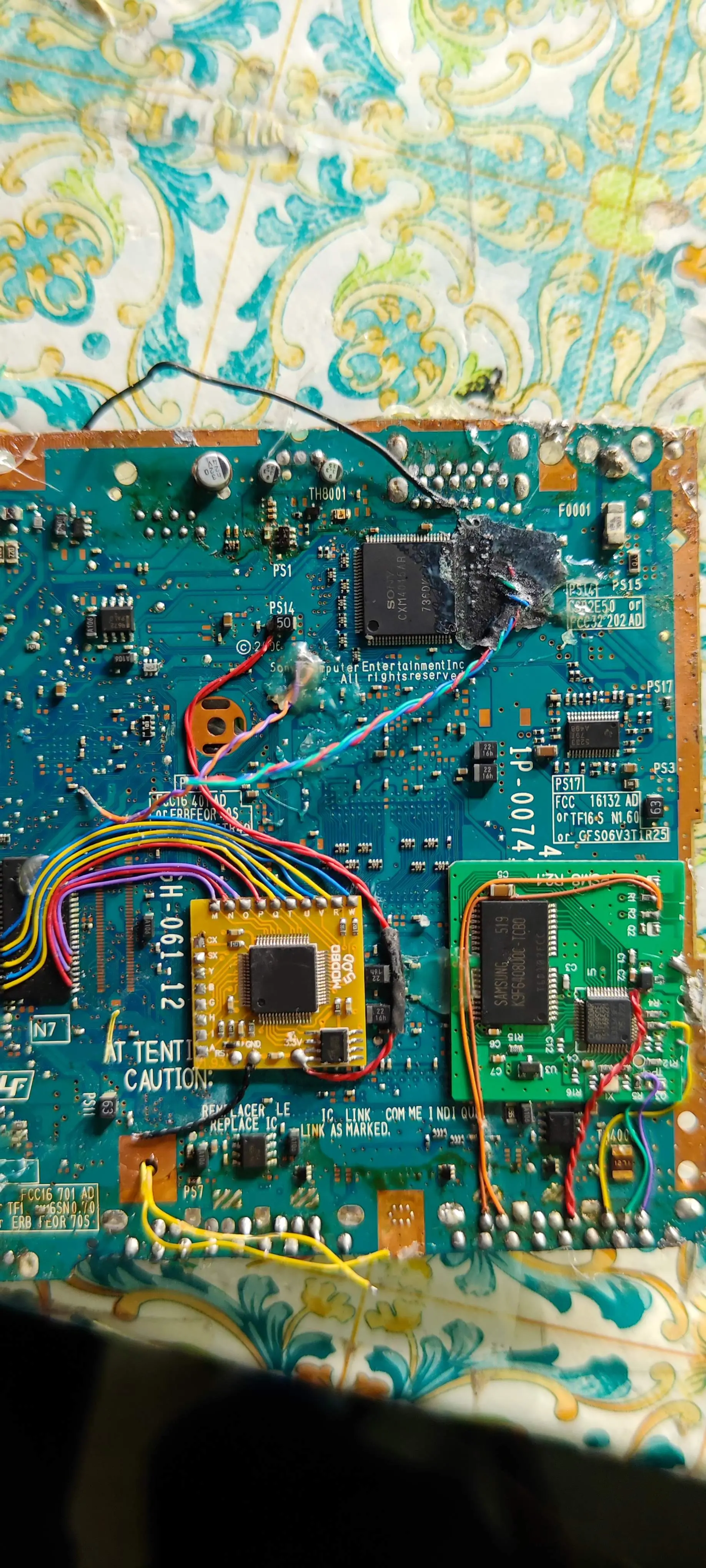
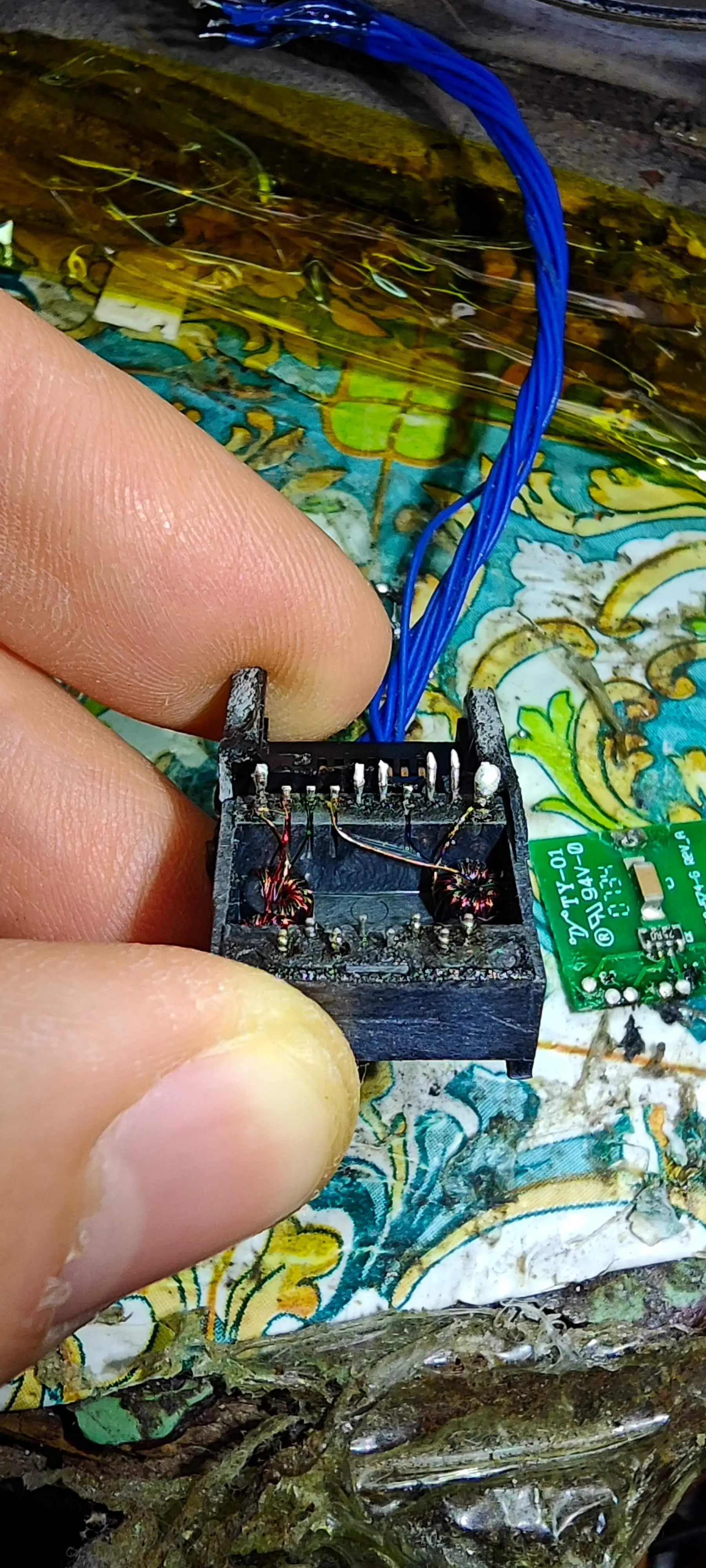
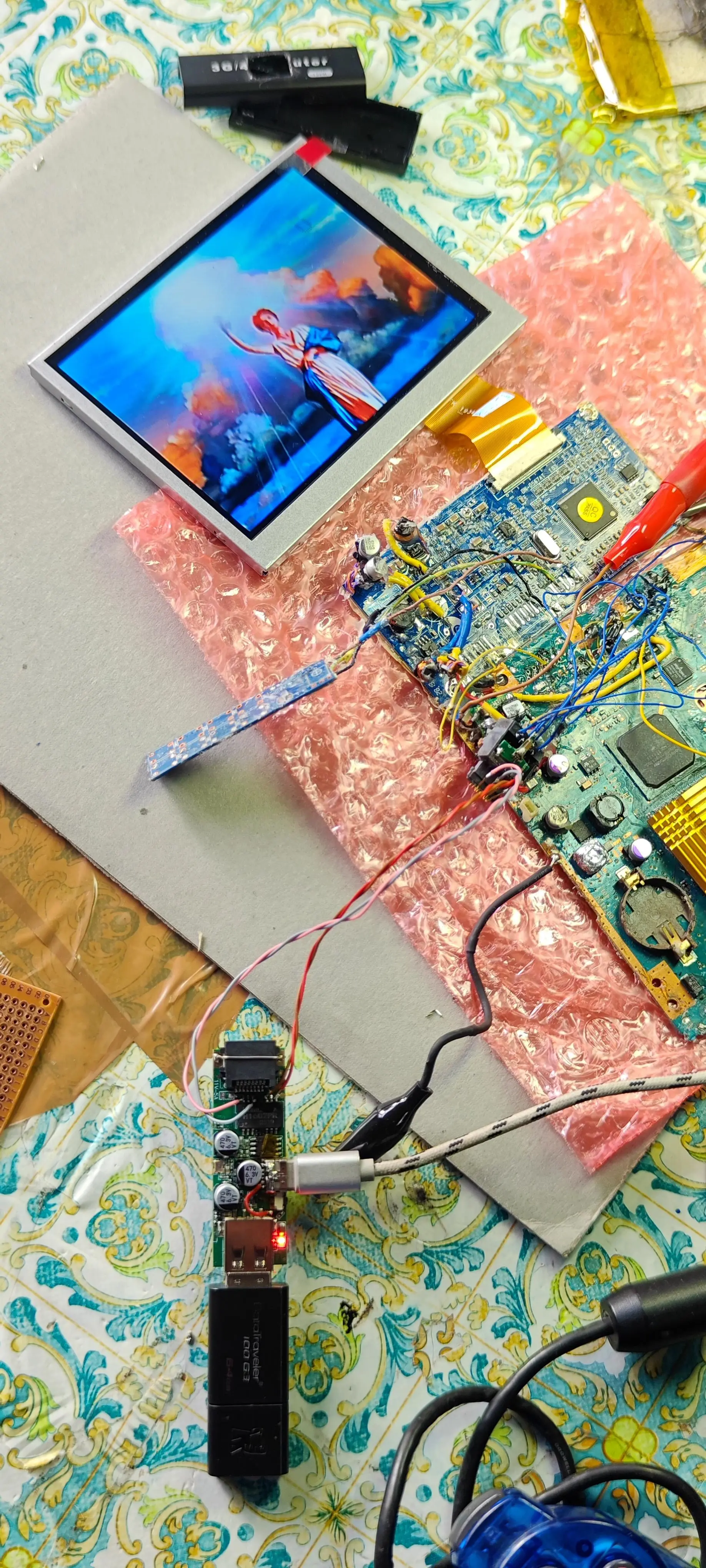
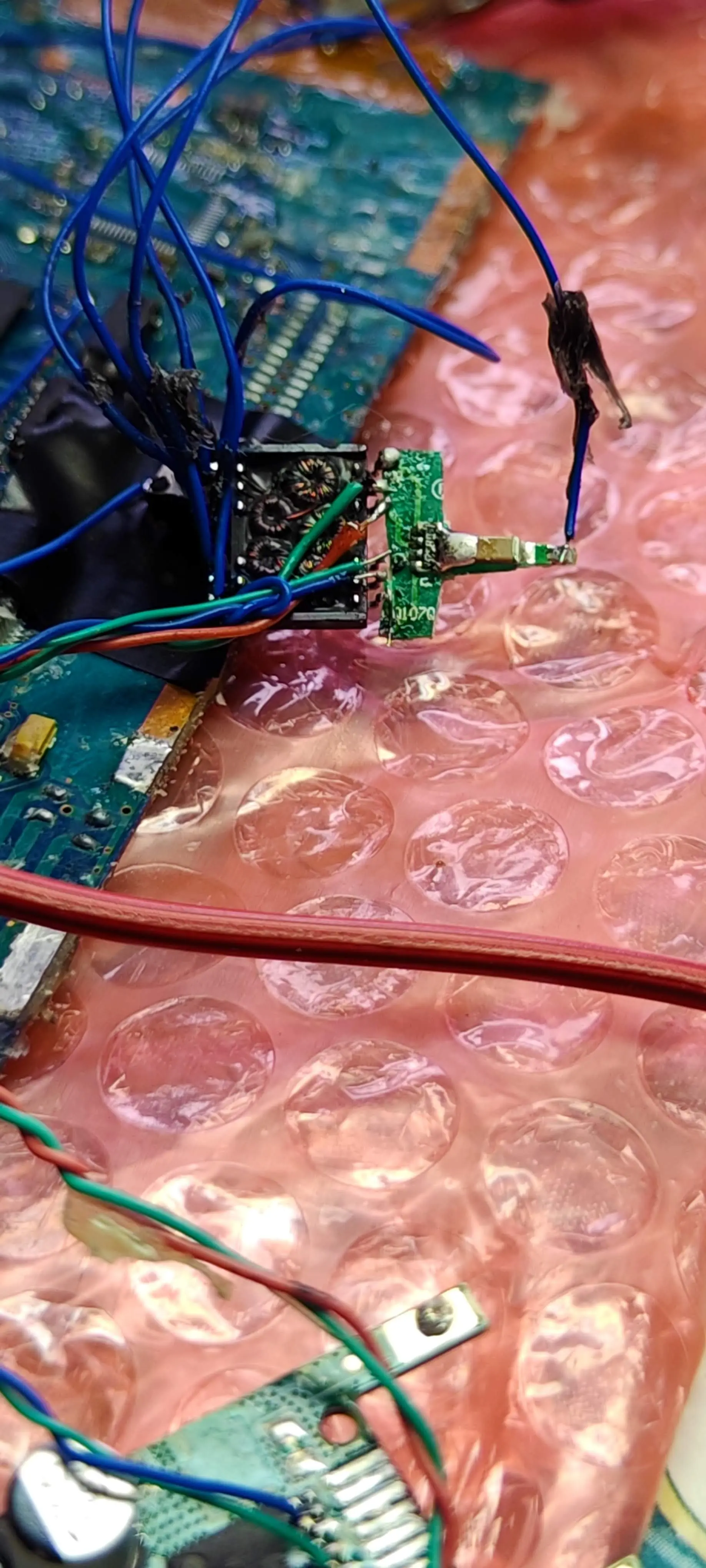
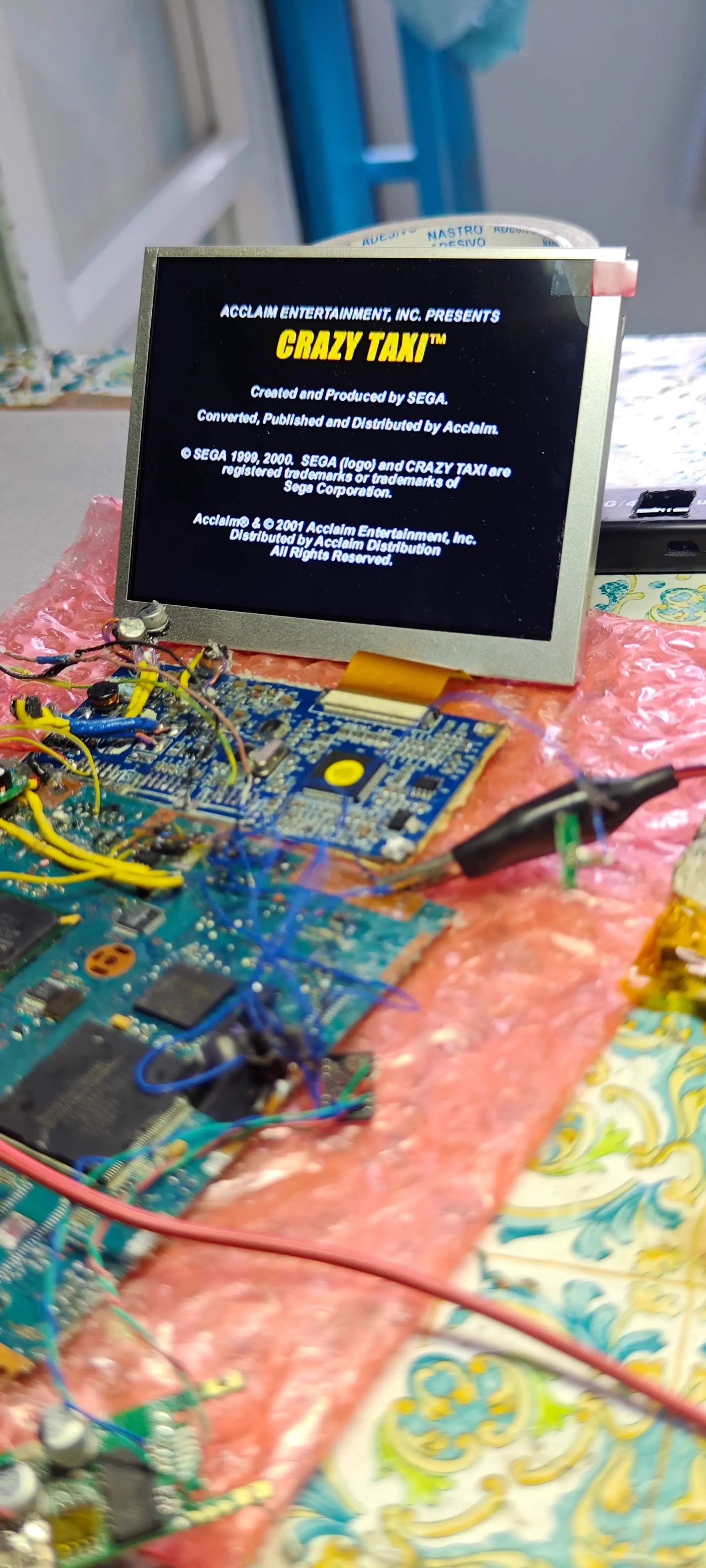
I immediately started working on understanding what the self of over 10 years ago was up to...
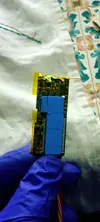
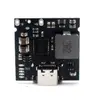
I did some tests with the 3G router. The first step was to understand how the original port was made (yes, I still had a couple from the damaged boards lying around to analyze). It's a small transformer with resistors at both ends connected to ground with a capacitor. I started removing this board with success, until I was only using another SMD transformer from an old laptop.
I also started removing the original inductors and capacitors with SMD on the LCD board, as well as modifying it with a single 5V power supply (dalian good screen 5,6)
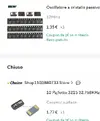
At the moment the inductors are not of their size but it works very well (ordered originals + smd quartz)
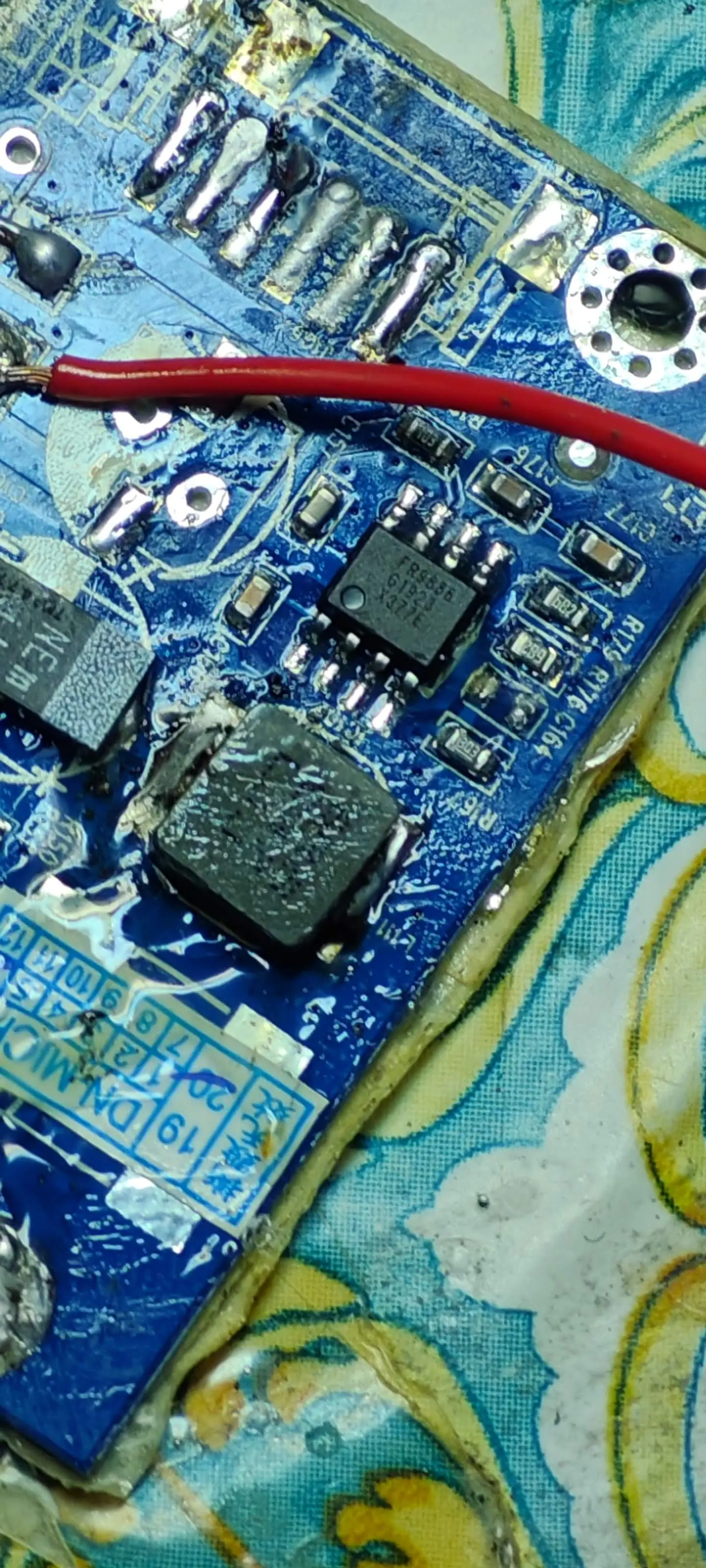
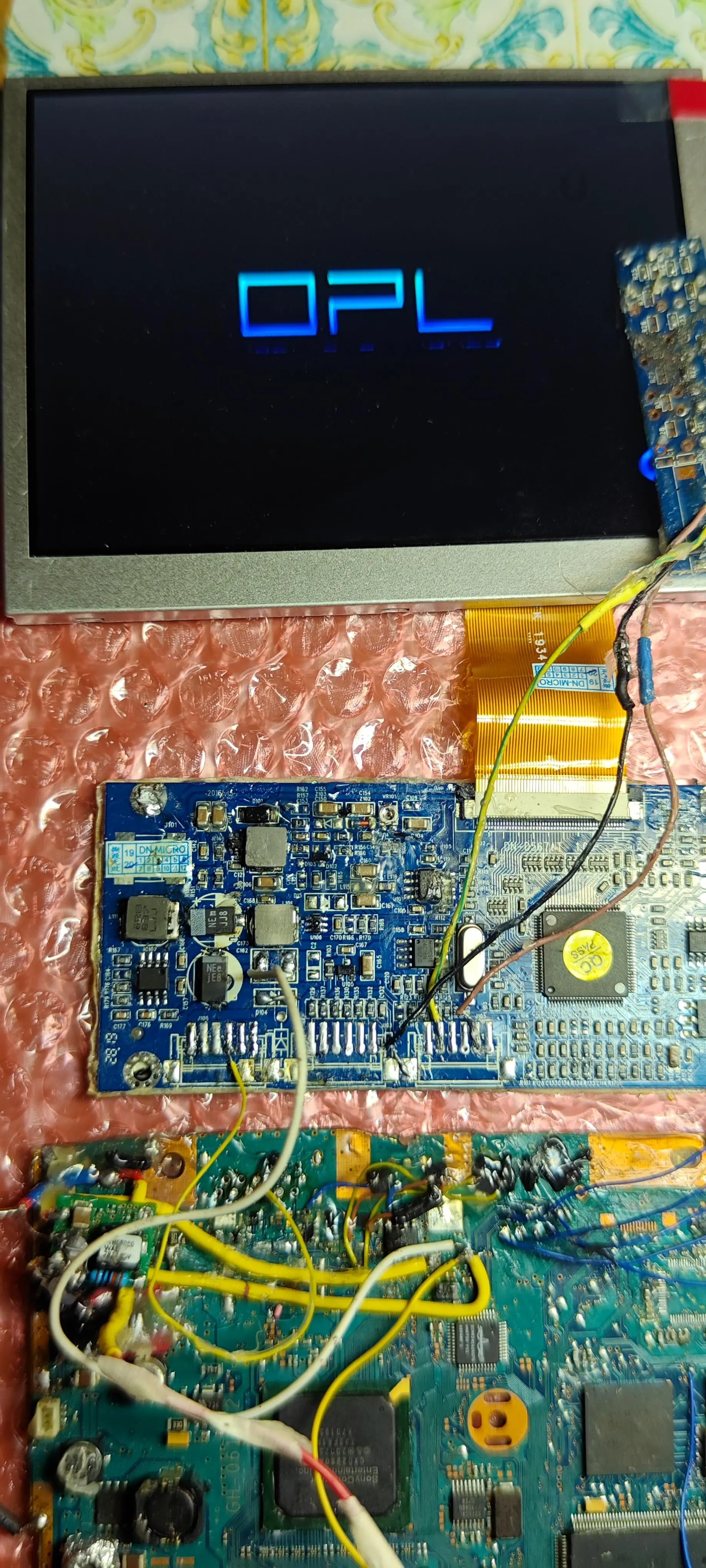
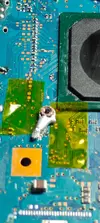
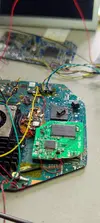
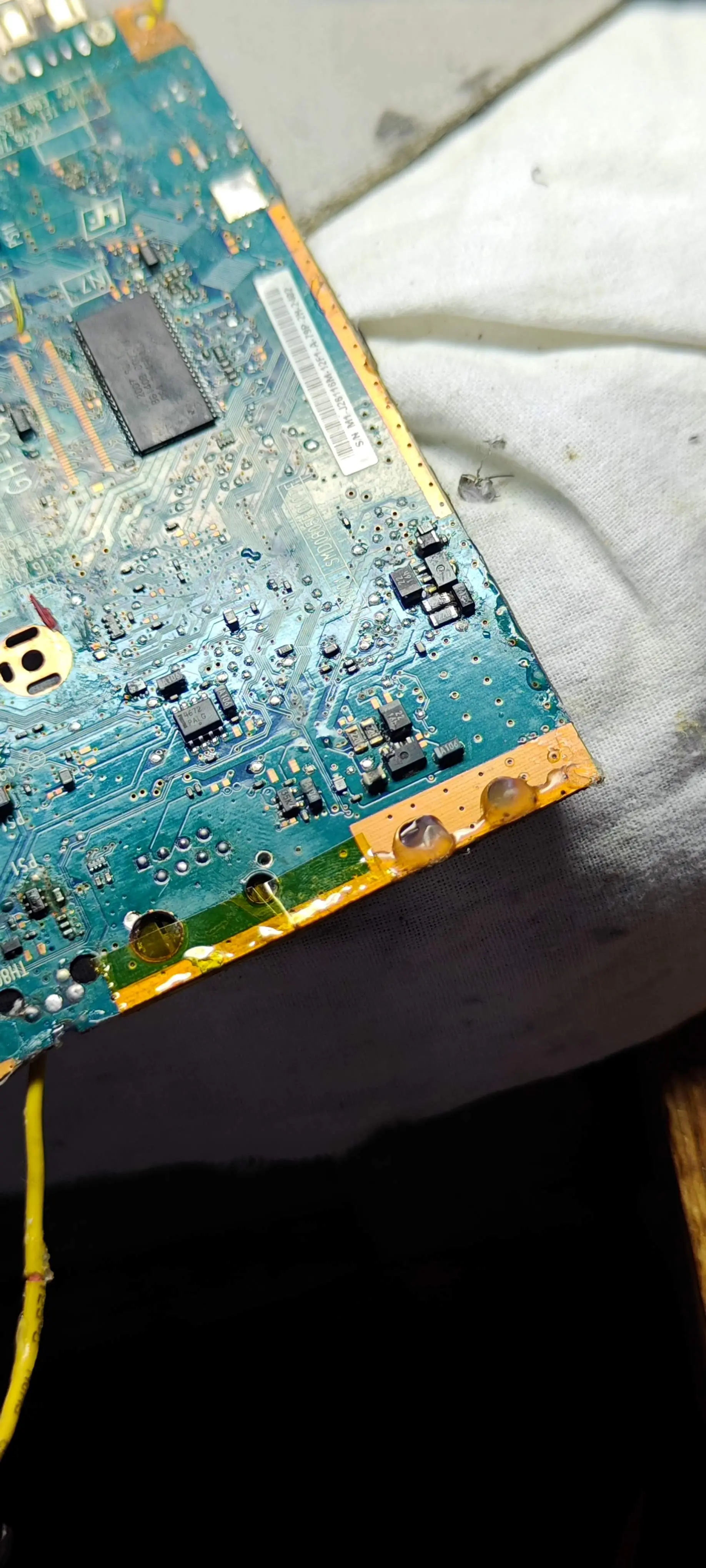
cut a piece of board to have some space underneath will probably put the pth back there
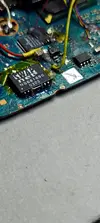
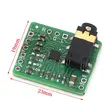
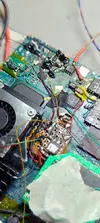
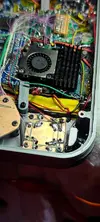
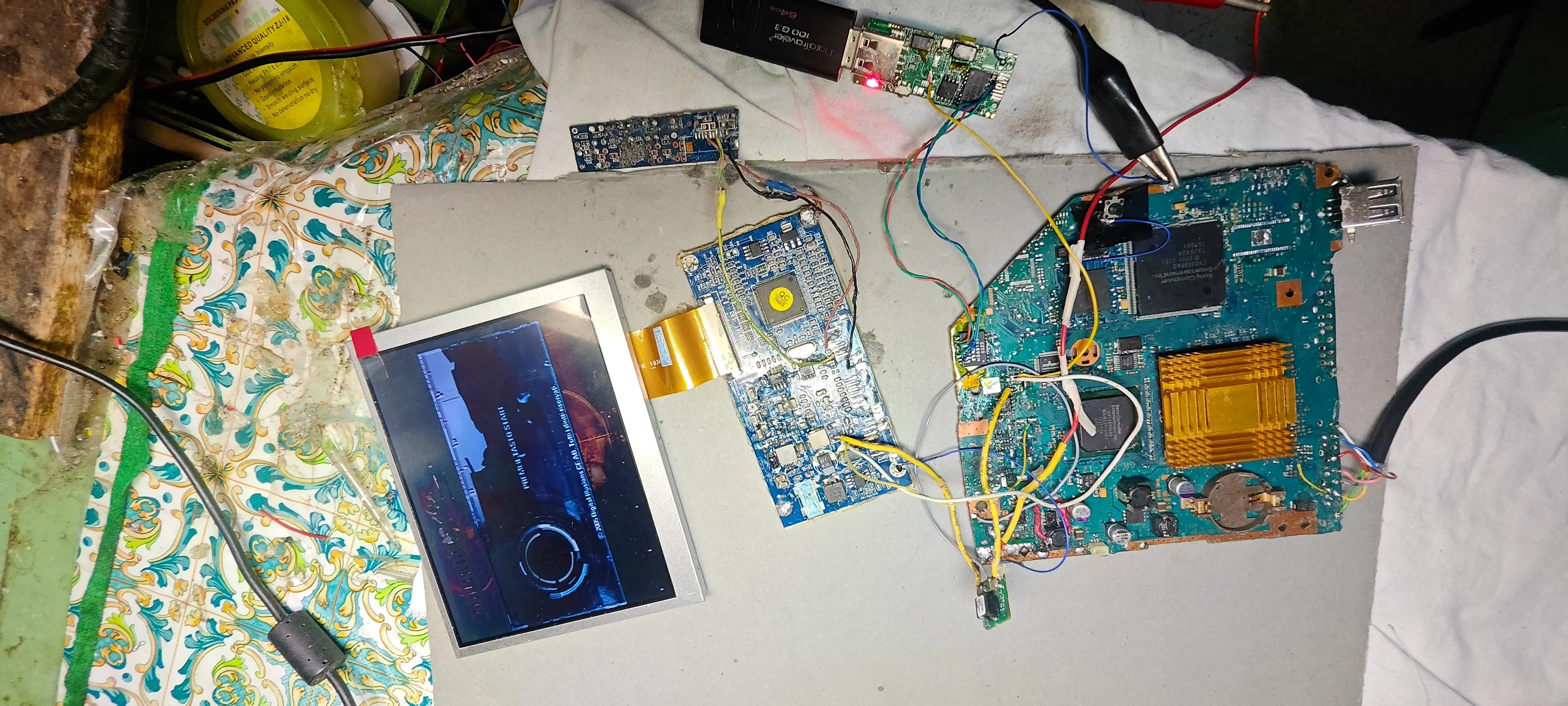
you can see the ETH transformer directly on the board with minimal assembly
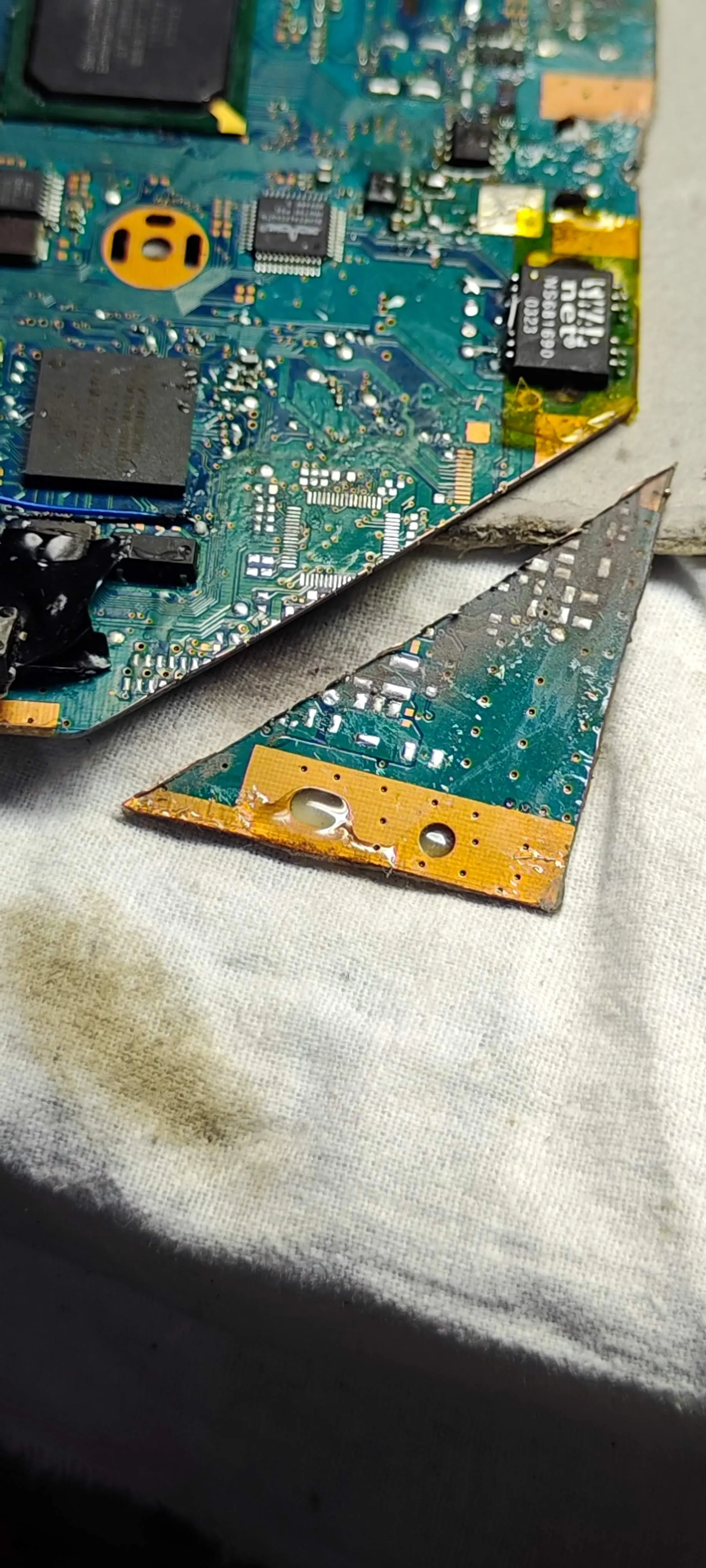
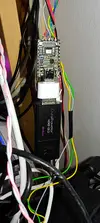
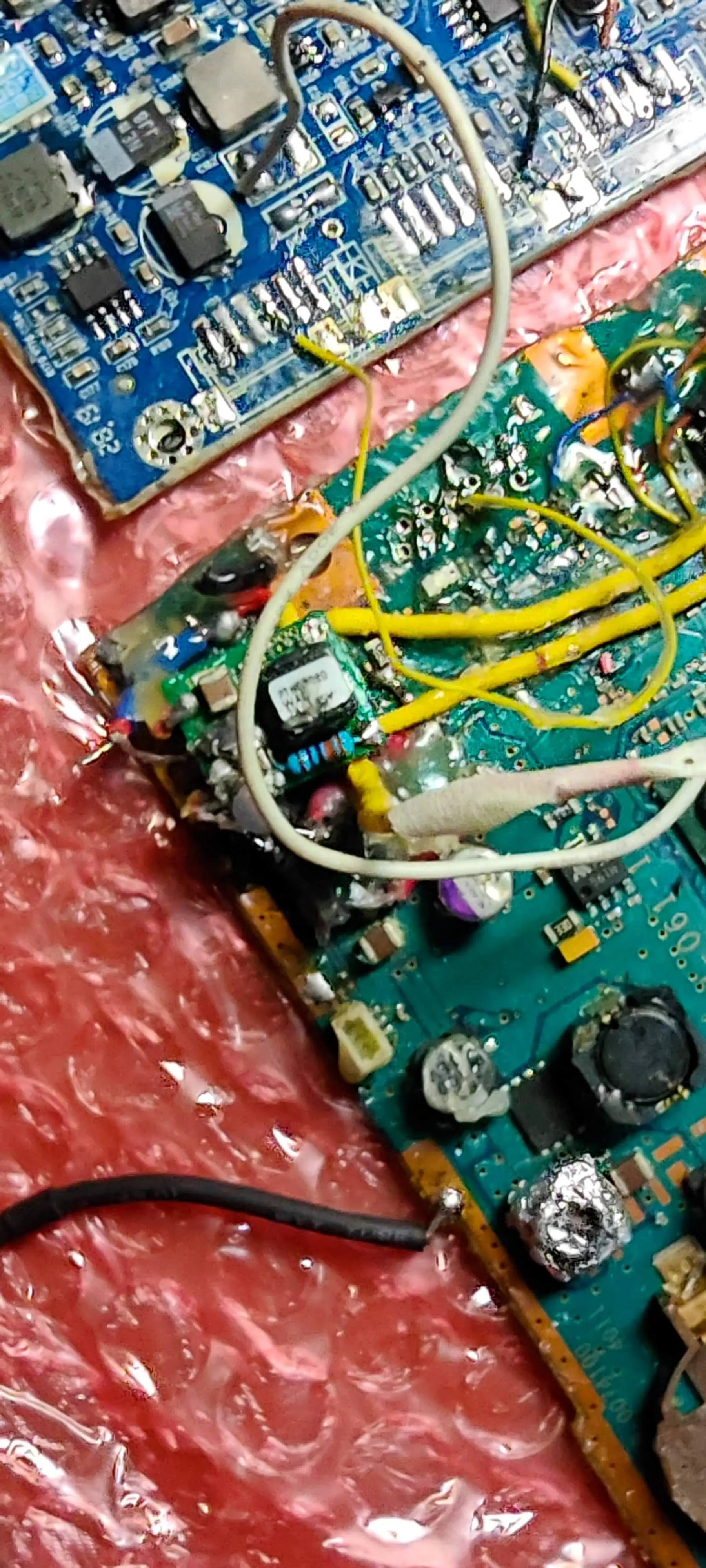
same fate happened to the router, removed the original capacitors with smd, removed the door and two pieces of pcb so that it remains small enough:
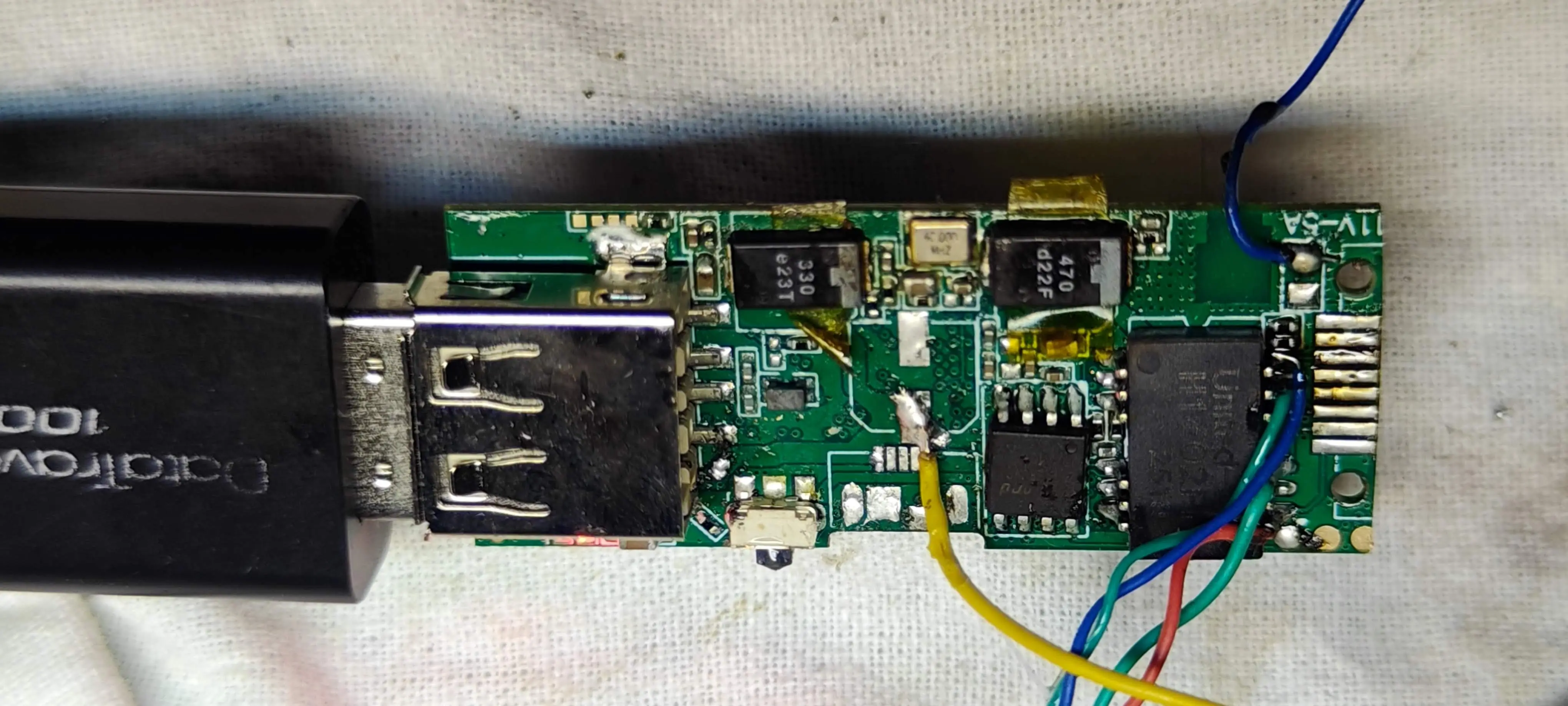
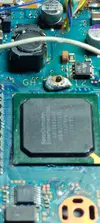
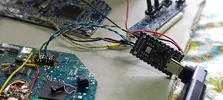
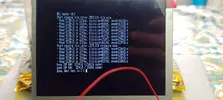
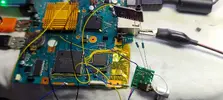
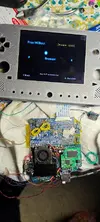
currently this is the current situation:
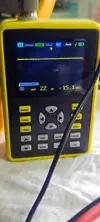
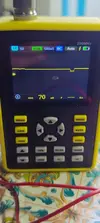
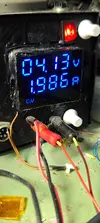
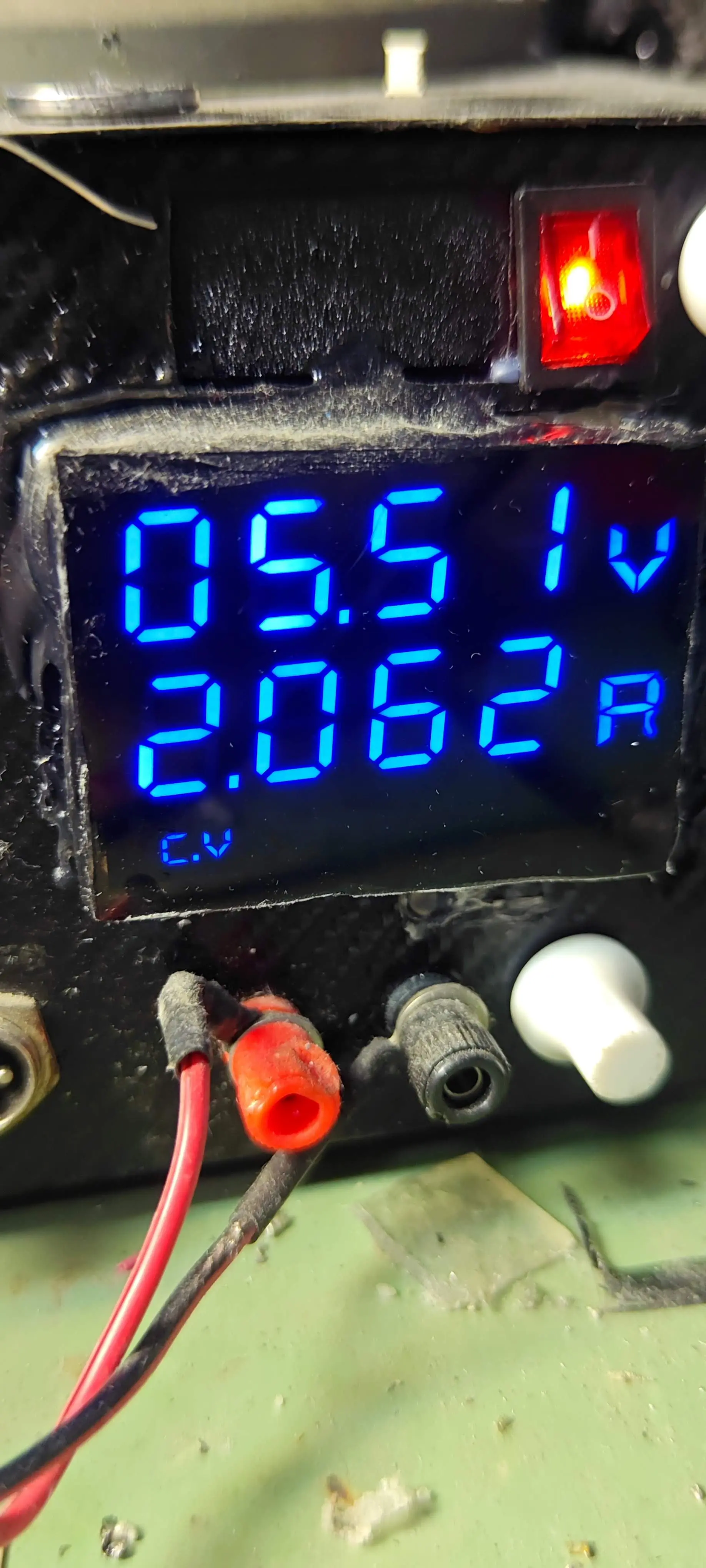
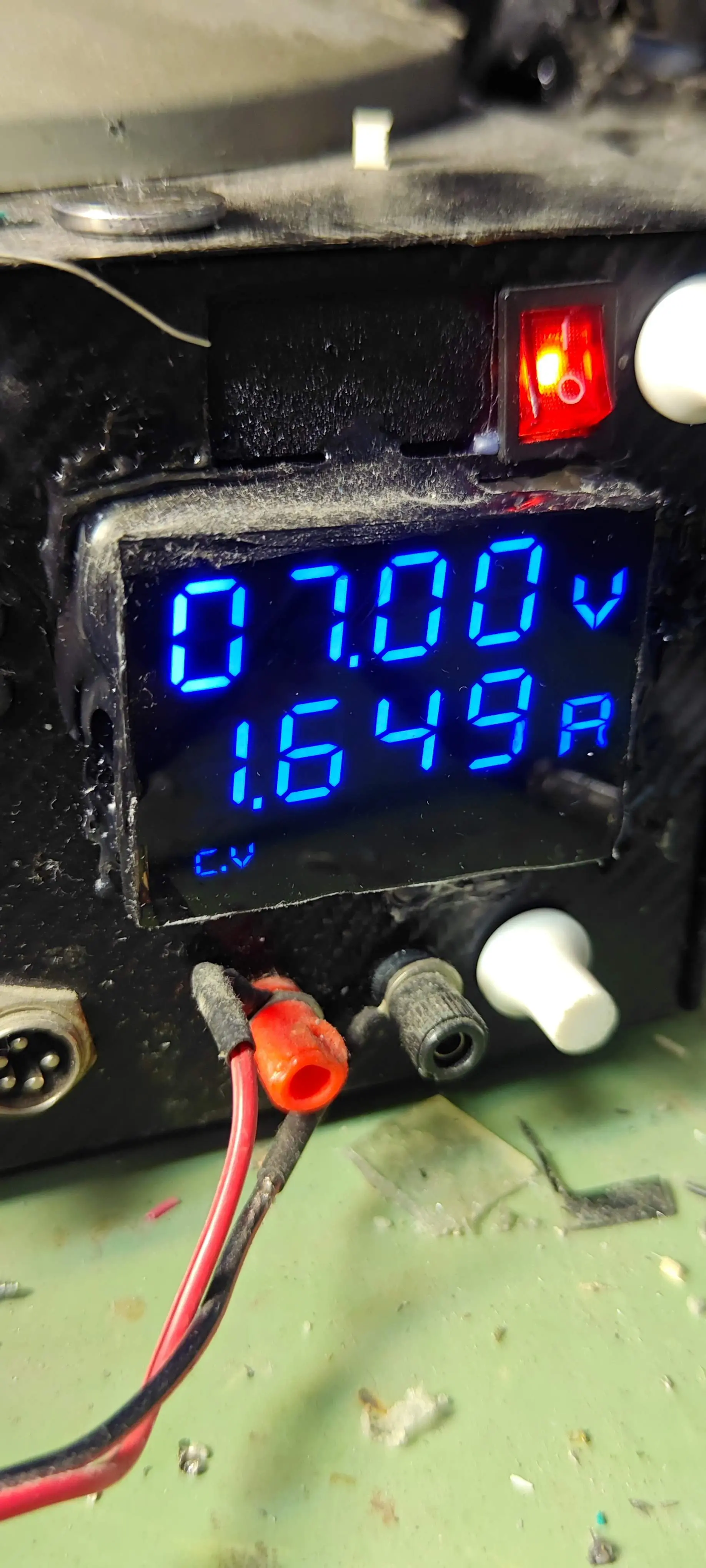
some consumption at various voltages, the minimum operating voltage is 5.5V
The goal will be to try to have:

It was my fifth-grade project for the exam (a bizarre way to get the highest grade in the oral exam, perhaps?
)Over the years I made some updates like the USB C port and 4 bolts to remove the rear plexiglass part...
in addition to the weight which is not exactly "family friendly" (about 800 grams), over time both the directional and action buttons stopped working (oxidation or something else), unfortunately the way it was built meant practically "destroying" it since hot glue seemed to be my only friend lol
so the only "drastic" but necessary solution was to dismantle it into every piece...
but like a happy person I want it to rise from the ashes, the case already initially seems that the paint has never catalyzed completely remaining "soft" so with weights or other things in contact it deformed ruining the aesthetics, the heat necessary in the disassembly did the final blow, however the sheet used and modeled by hand is very heavy on its own and in this era it actually does not seem the best way to re-use it, together with the rear in plexiglass which is also quite heavy.
I immediately started working on understanding what the self of over 10 years ago was up to...
I did some tests with the 3G router. The first step was to understand how the original port was made (yes, I still had a couple from the damaged boards lying around to analyze). It's a small transformer with resistors at both ends connected to ground with a capacitor. I started removing this board with success, until I was only using another SMD transformer from an old laptop.
I also started removing the original inductors and capacitors with SMD on the LCD board, as well as modifying it with a single 5V power supply (dalian good screen 5,6)
At the moment the inductors are not of their size but it works very well (ordered originals + smd quartz)
cut a piece of board to have some space underneath will probably put the pth back there
you can see the ETH transformer directly on the board with minimal assembly
same fate happened to the router, removed the original capacitors with smd, removed the door and two pieces of pcb so that it remains small enough:
currently this is the current situation:
some consumption at various voltages, the minimum operating voltage is 5.5V
The goal will be to try to have:
- the router close to the CPU-SB area so as to use a single cooling system to cool everything (Raspberry 5 heatsink?)
- definitely reduce weight and size
- double USB and memory card slot so you can use both normal ISO loading via USB - SMB and MX4SIO
- the Switch analog controllers could be a good alternative to keep everything light and manageable
- I would like to lower the CPU voltage but keeping the original regulators at least for now... also because I have other pth / regulators (even an RVL-pms v1 made together with the Wii) but I don't want to strain my neck too much by cutting the board again and maybe finding myself with a brick lol