Worklog Re-worklog after 11 years - Luxtwo

Luigid

.
Joined
Sep 24, 2017
Messages
76
Likes
53
Hi guys, after more than 11 years since its creation we're back in action...
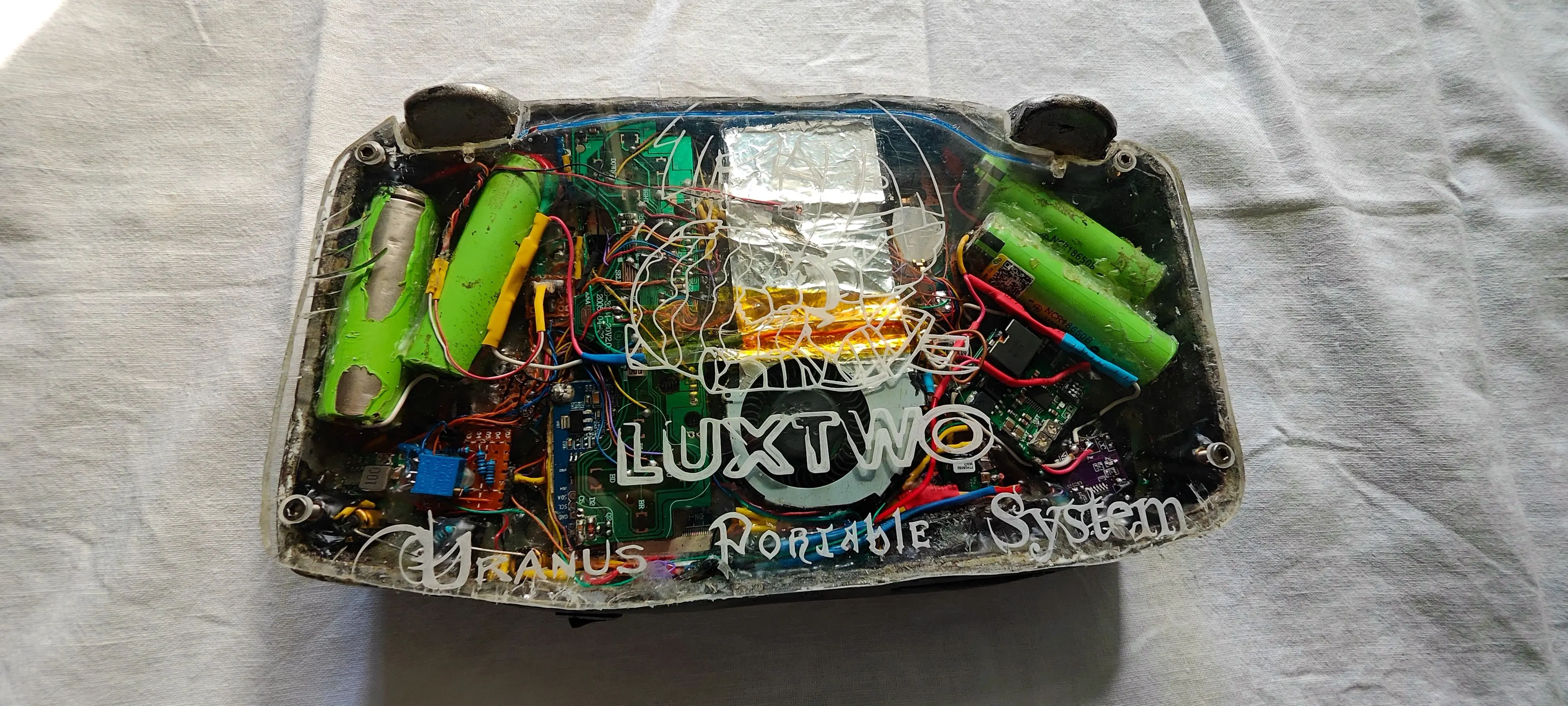
It was my fifth-grade project for the exam (a bizarre way to get the highest grade in the oral exam, perhaps? :P)
Over the years I made some updates like the USB C port and 4 bolts to remove the rear plexiglass part...
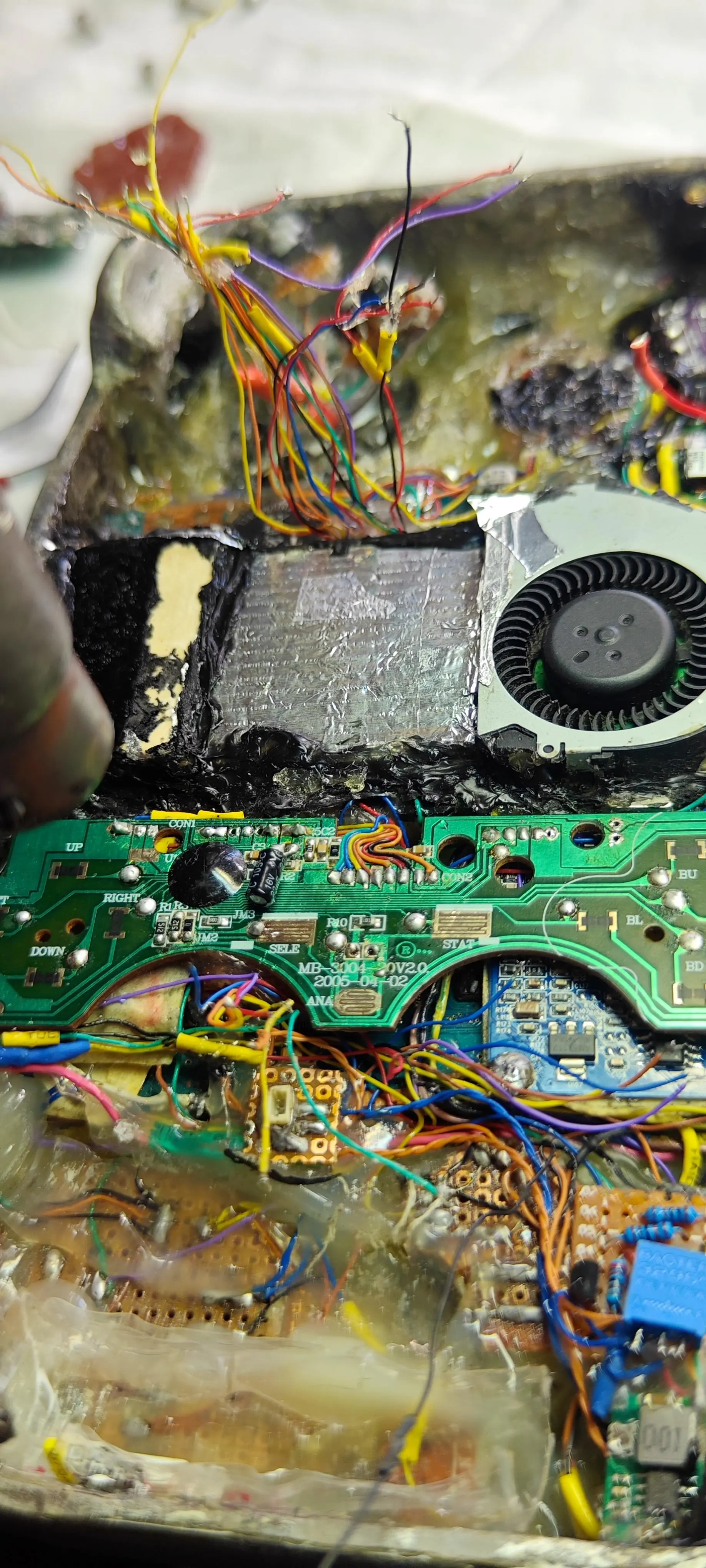
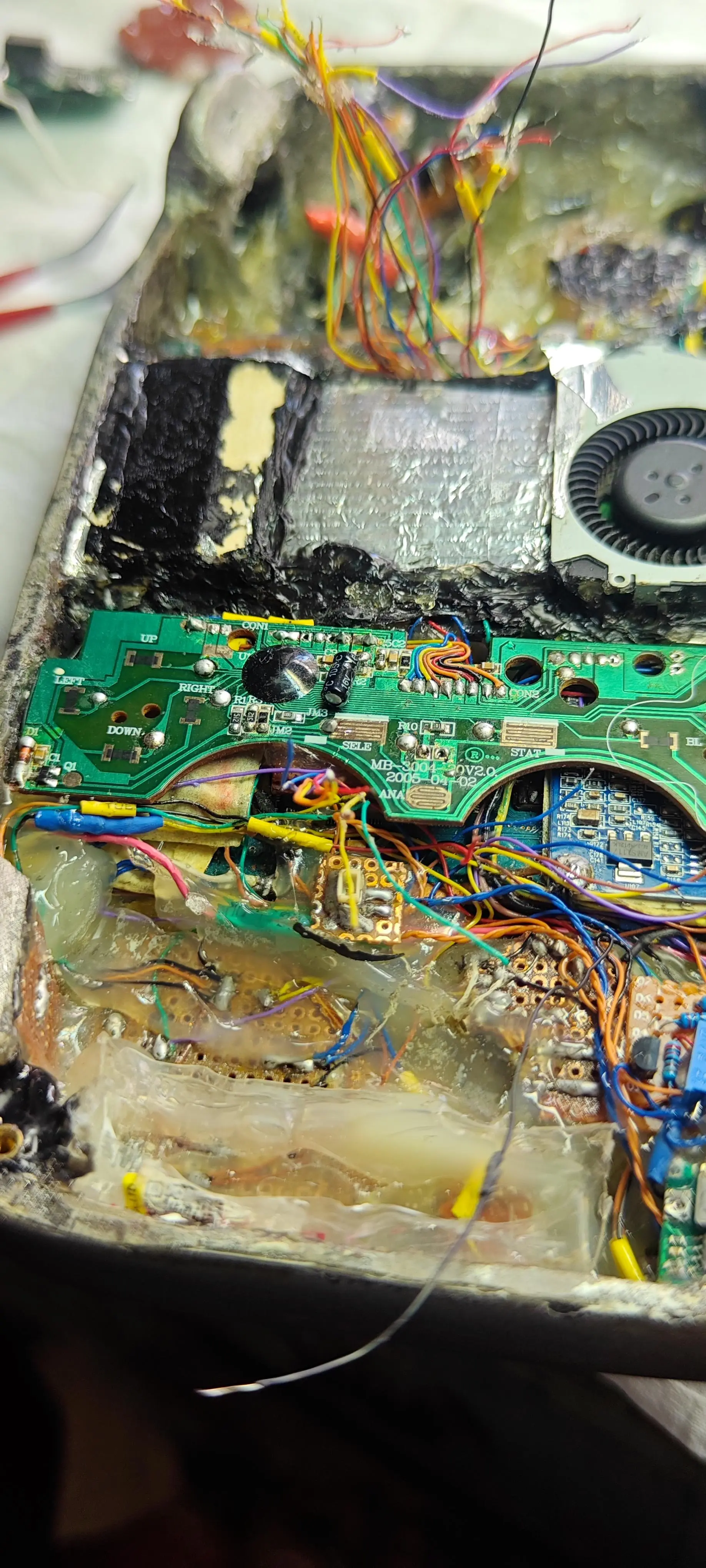
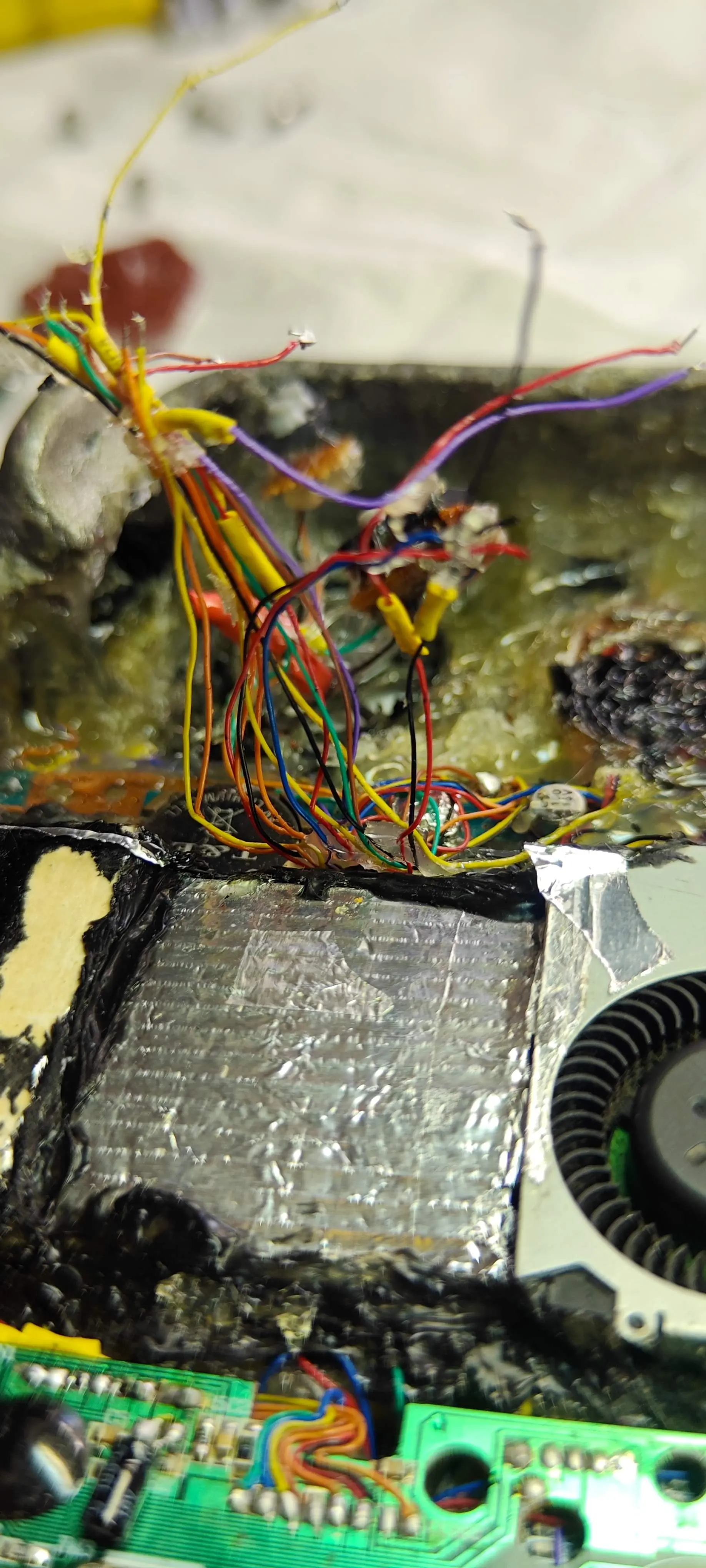
in addition to the weight which is not exactly "family friendly" (about 800 grams), over time both the directional and action buttons stopped working (oxidation or something else), unfortunately the way it was built meant practically "destroying" it since hot glue seemed to be my only friend lol
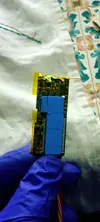
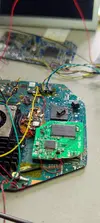
IMG_20260111_145326.webp

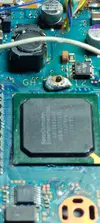
IMG_20260111_153634.webp
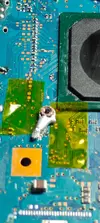
IMG_20260111_153631.webp
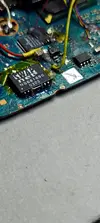
IMG_20260111_153636.webp

IMG_20260111_170824.webp
IMG_20260111_163958.webp

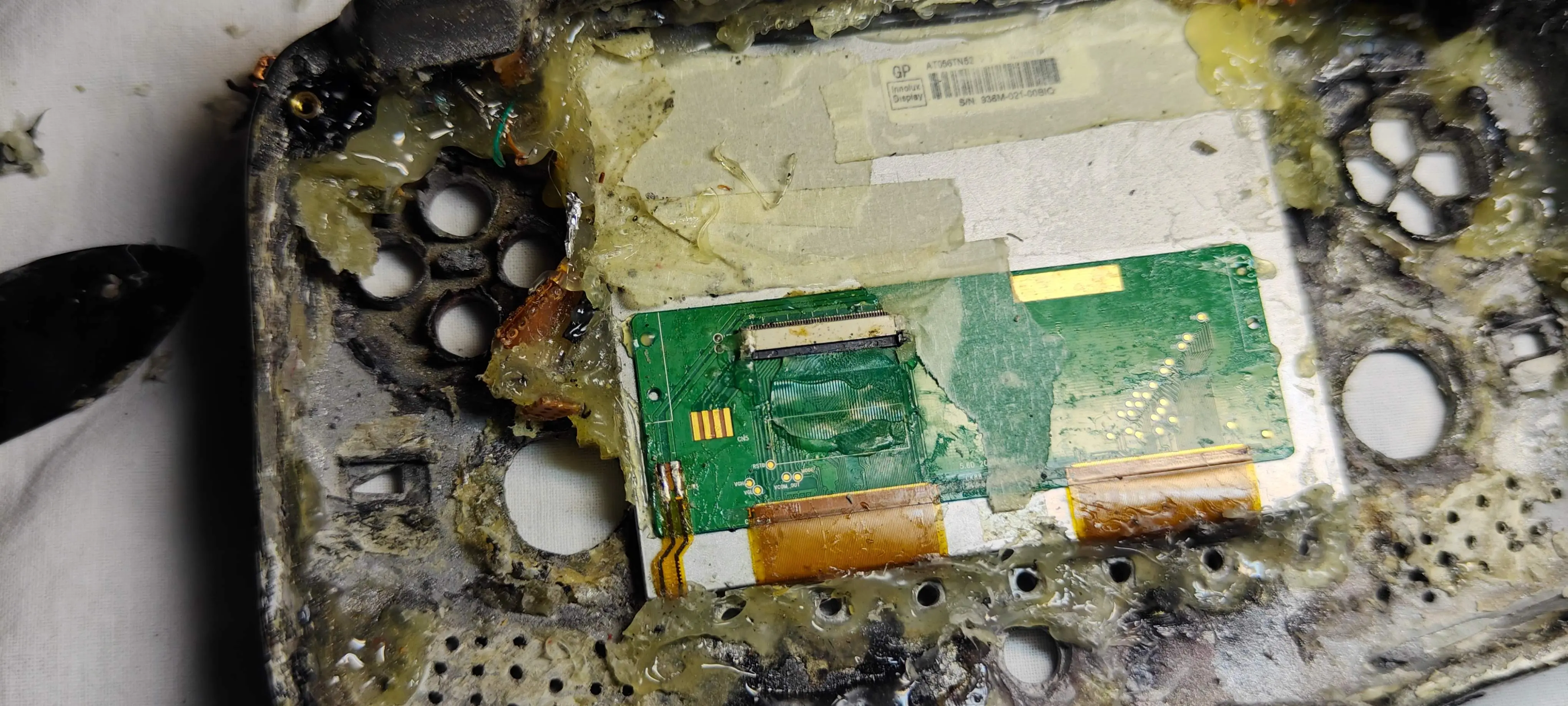
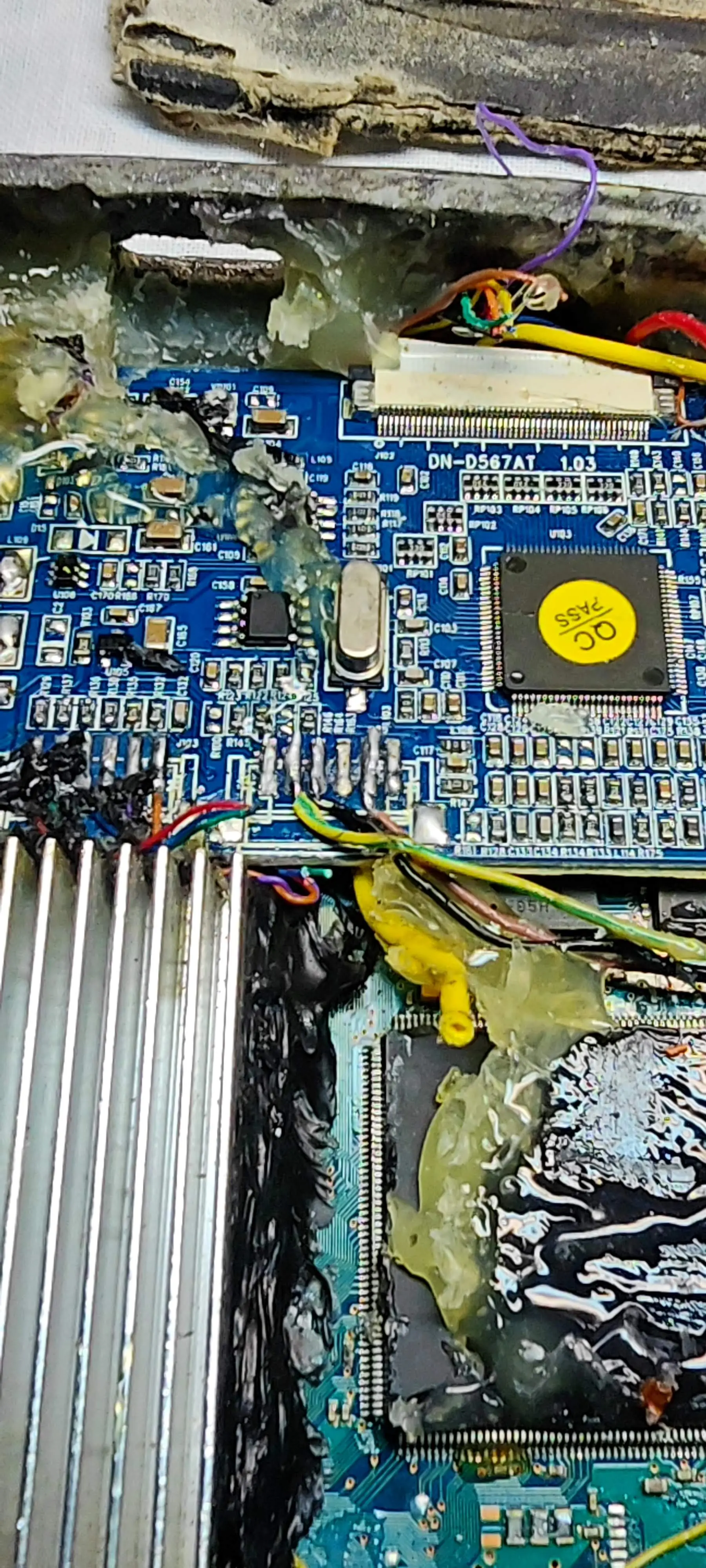
so the only "drastic" but necessary solution was to dismantle it into every piece...
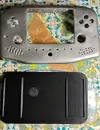
but like a happy person I want it to rise from the ashes, the case already initially seems that the paint has never catalyzed completely remaining "soft" so with weights or other things in contact it deformed ruining the aesthetics, the heat necessary in the disassembly did the final blow, however the sheet used and modeled by hand is very heavy on its own and in this era it actually does not seem the best way to re-use it, together with the rear in plexiglass which is also quite heavy.
IMG_20260123_144722.webp
IMG_20260125_144119.webp
IMG_20260125_151207.webp
IMG_20260125_153931.webp
IMG_20260125_154120.webp

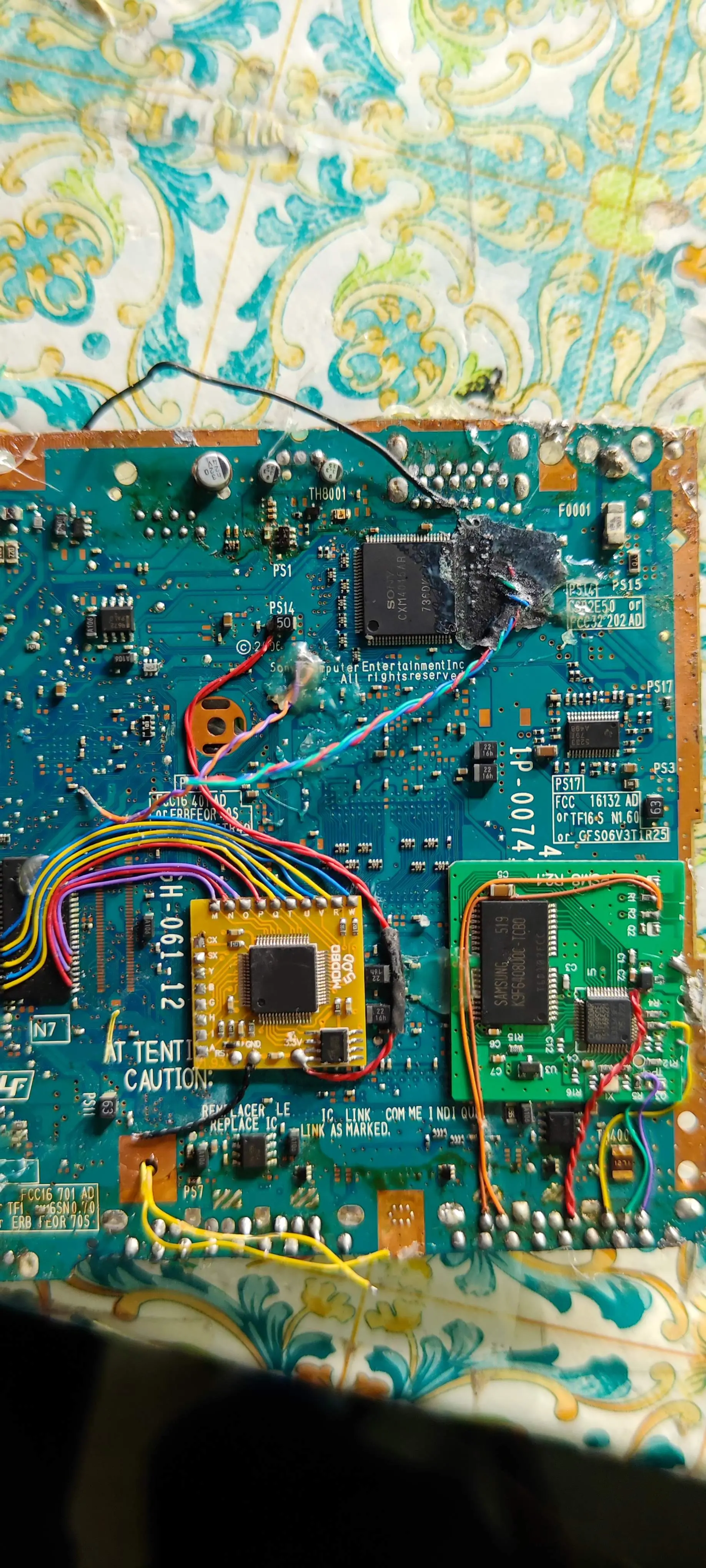
I immediately started working on understanding what the self of over 10 years ago was up to...
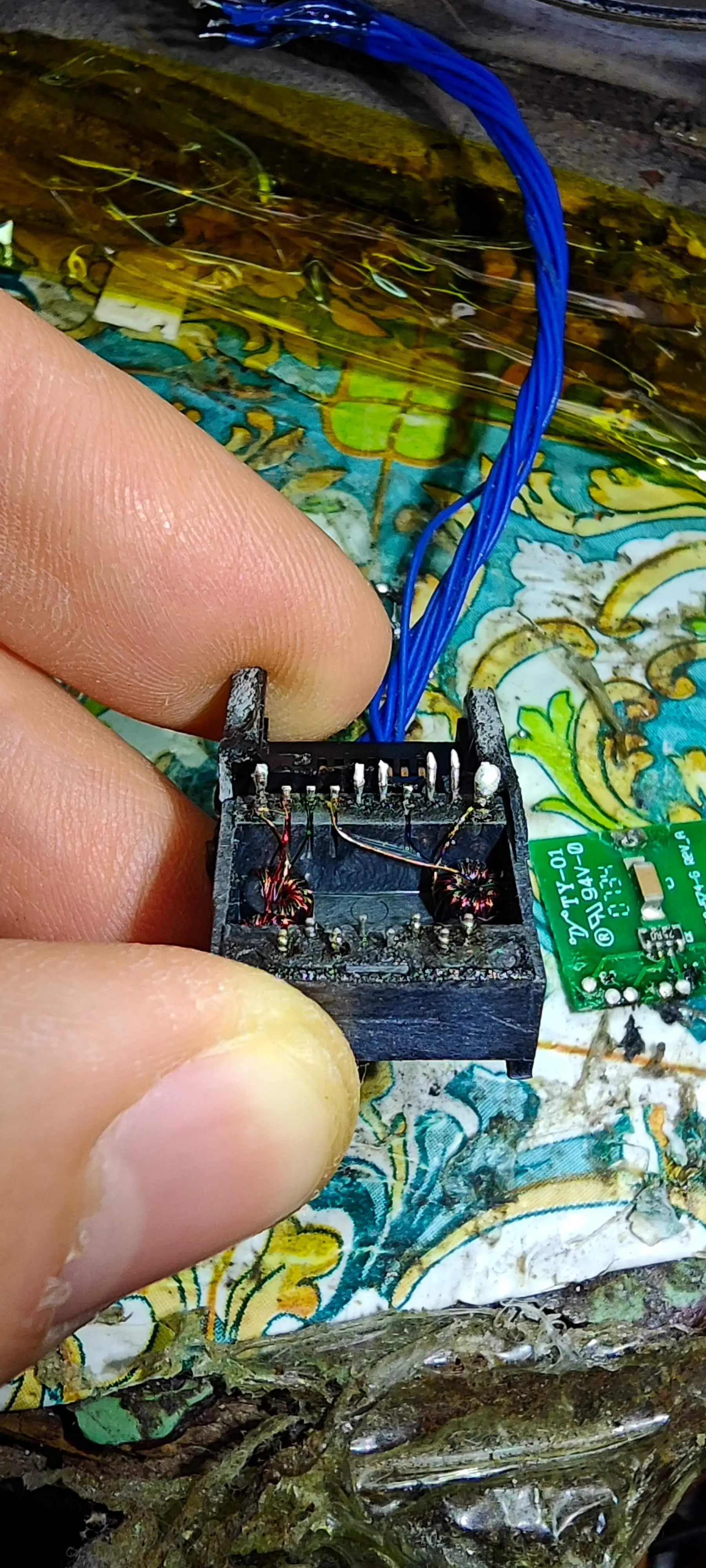
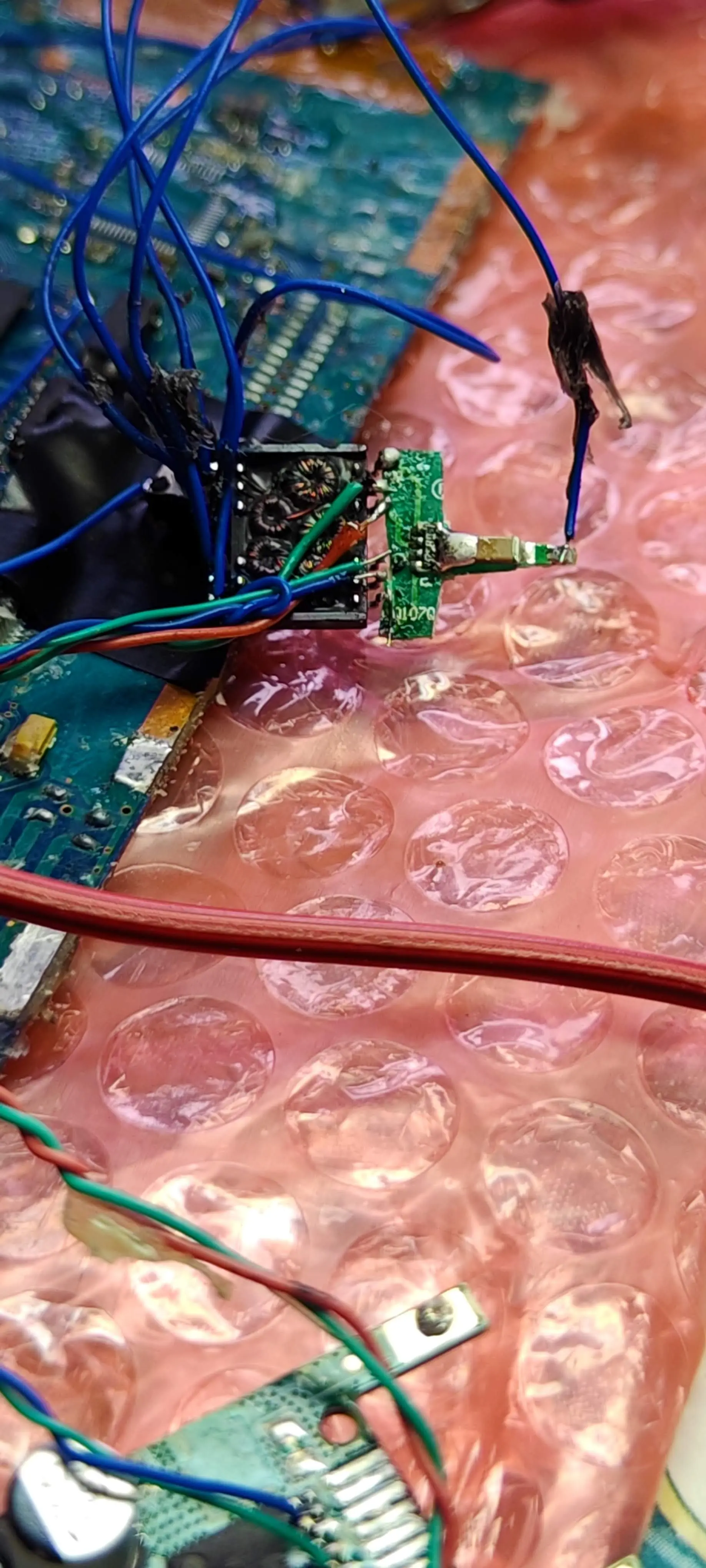
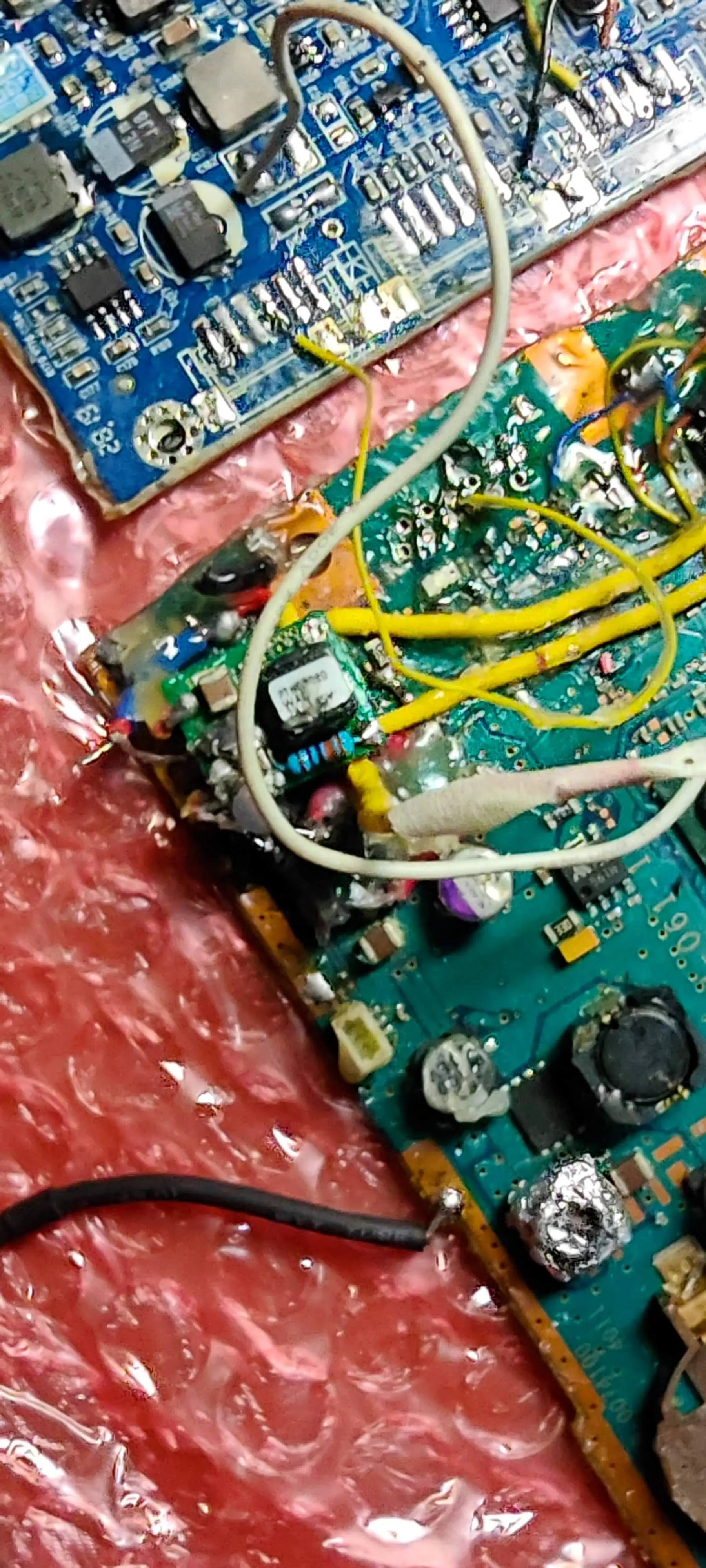
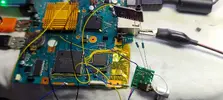
I did some tests with the 3G router. The first step was to understand how the original port was made (yes, I still had a couple from the damaged boards lying around to analyze). It's a small transformer with resistors at both ends connected to ground with a capacitor. I started removing this board with success, until I was only using another SMD transformer from an old laptop.
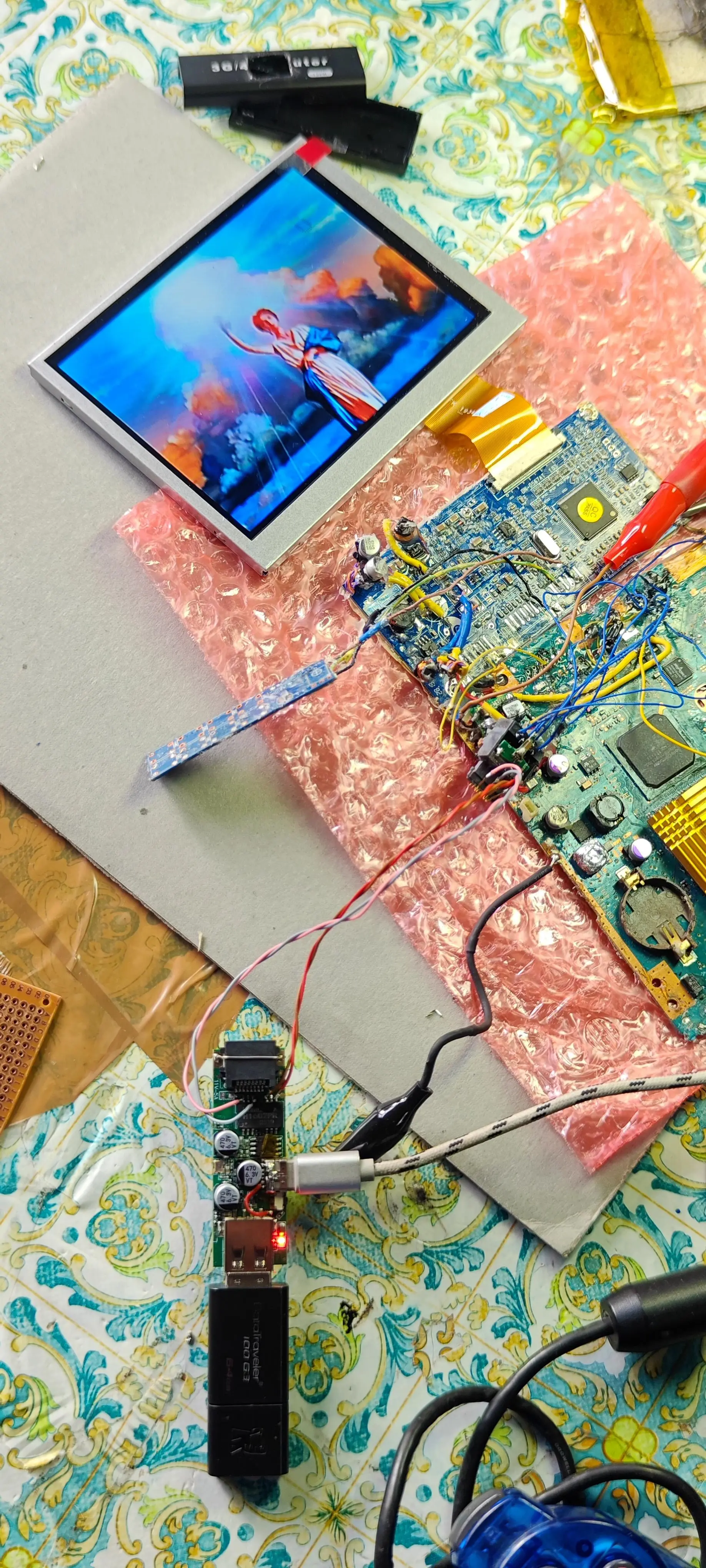
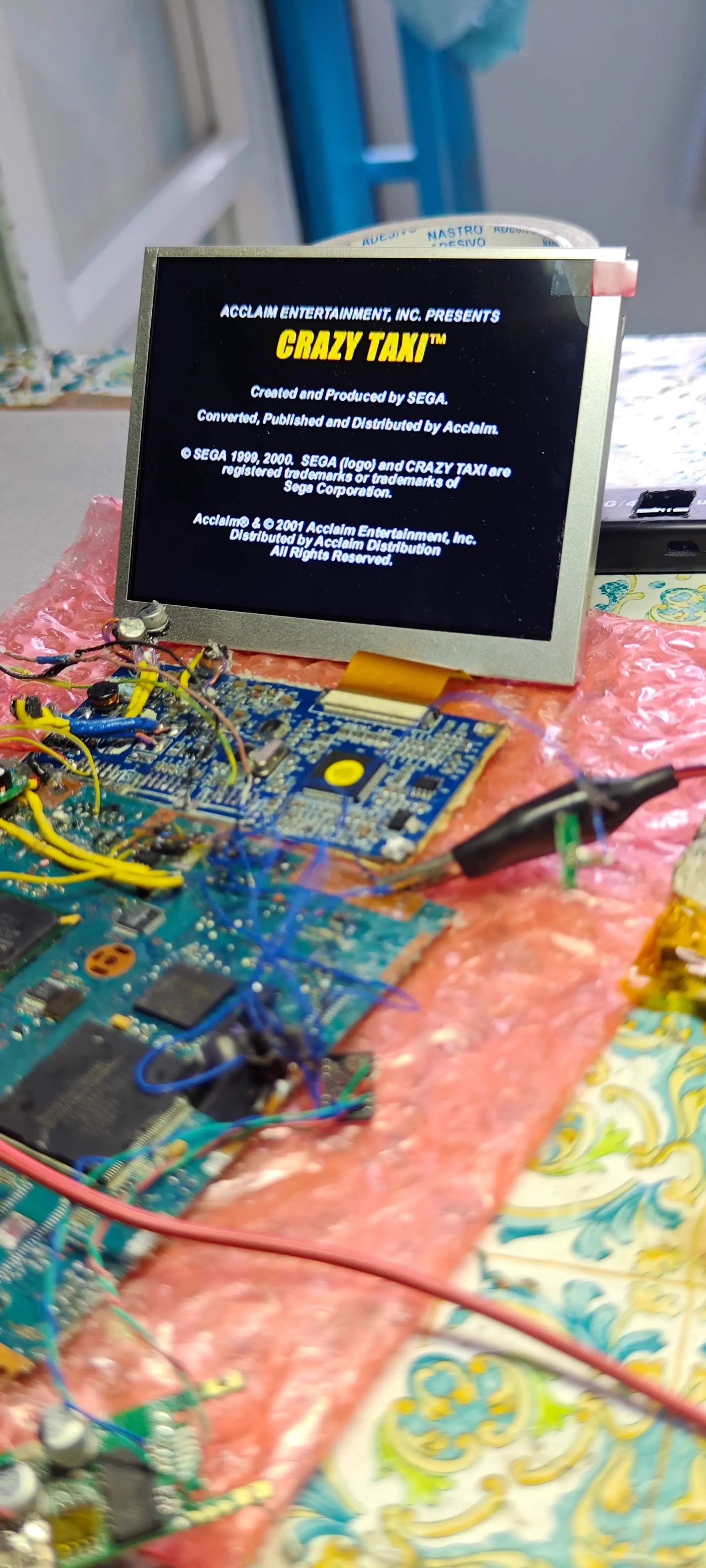
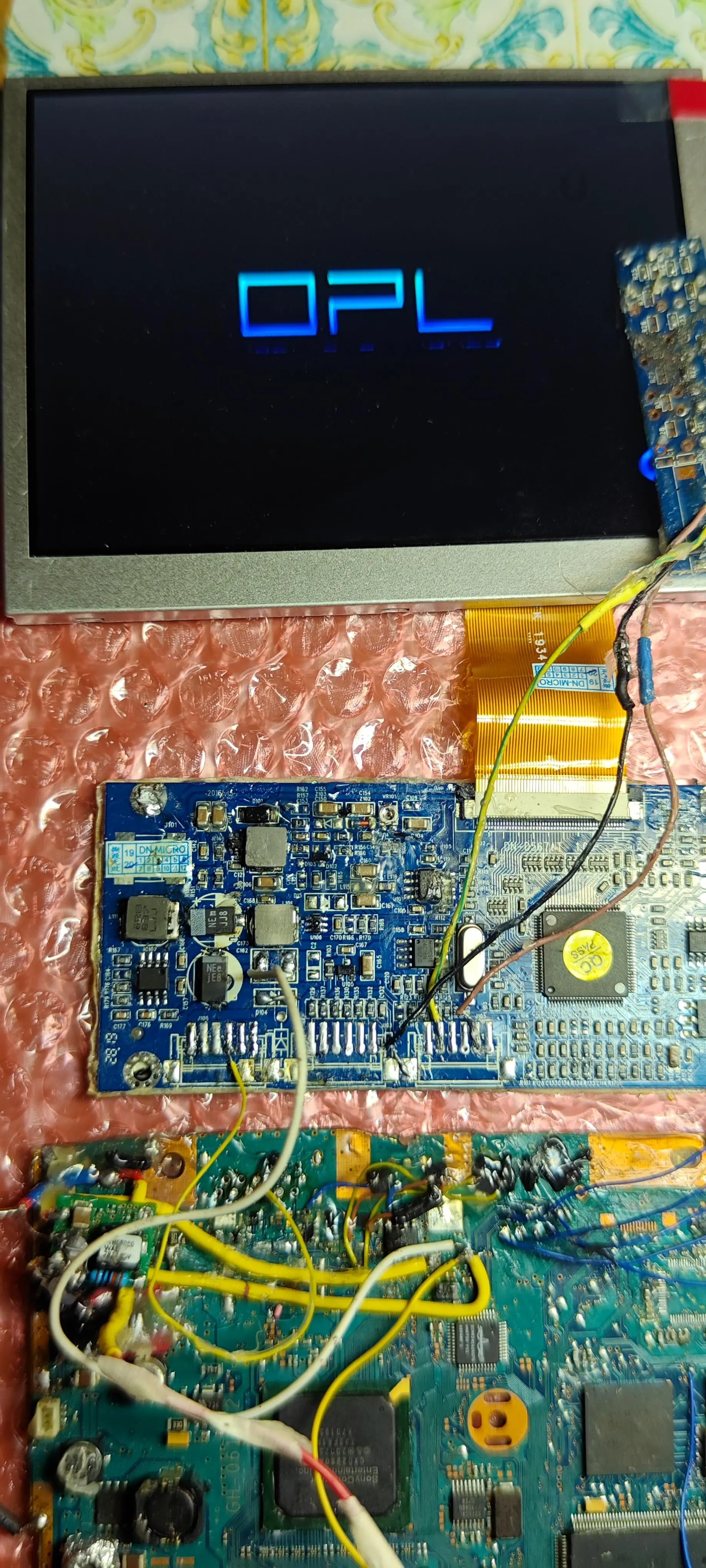
I also started removing the original inductors and capacitors with SMD on the LCD board, as well as modifying it with a single 5V power supply (dalian good screen 5,6)
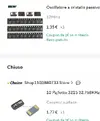
At the moment the inductors are not of their size but it works very well (ordered originals + smd quartz)
IMG_20260125_172309.webp
IMG_20260125_173910.webp
IMG_20260125_173957.webp

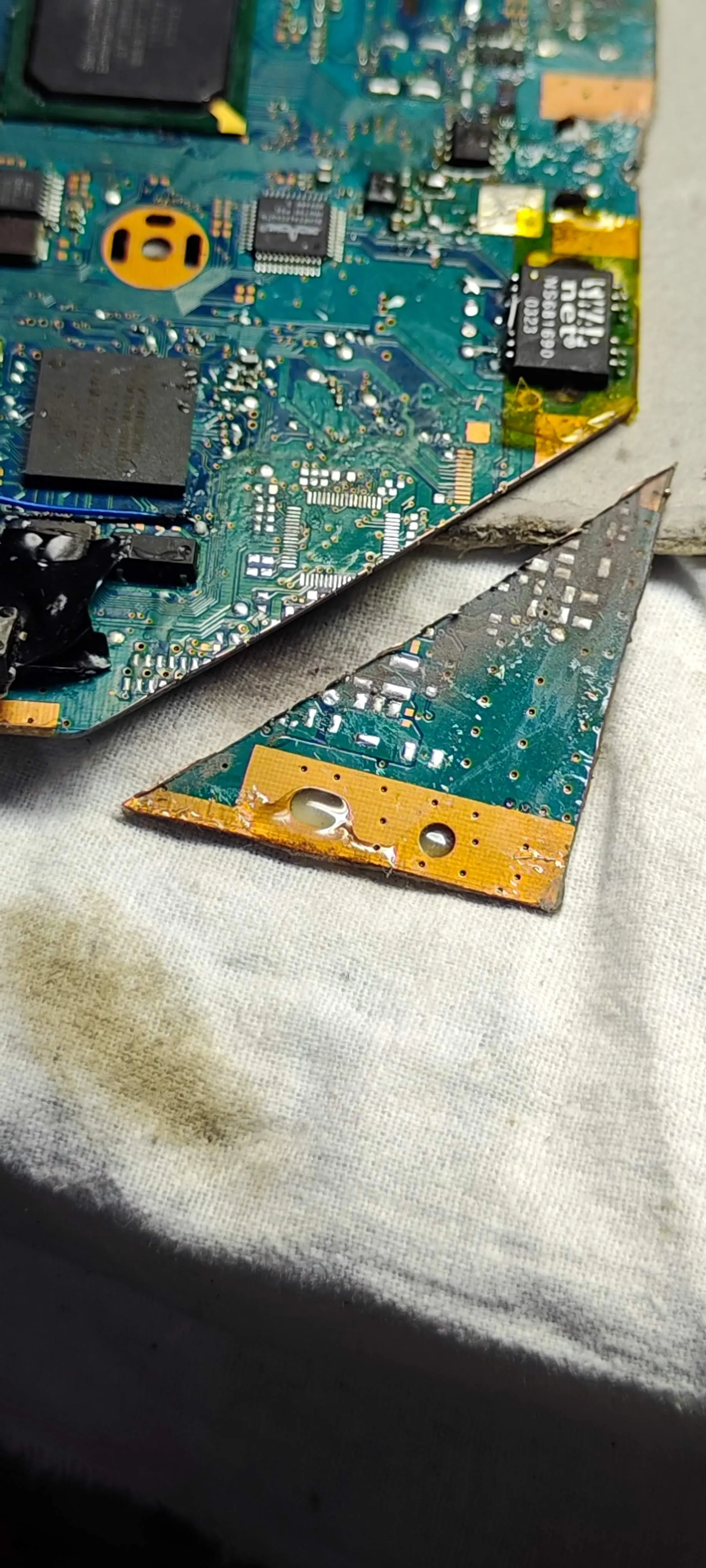
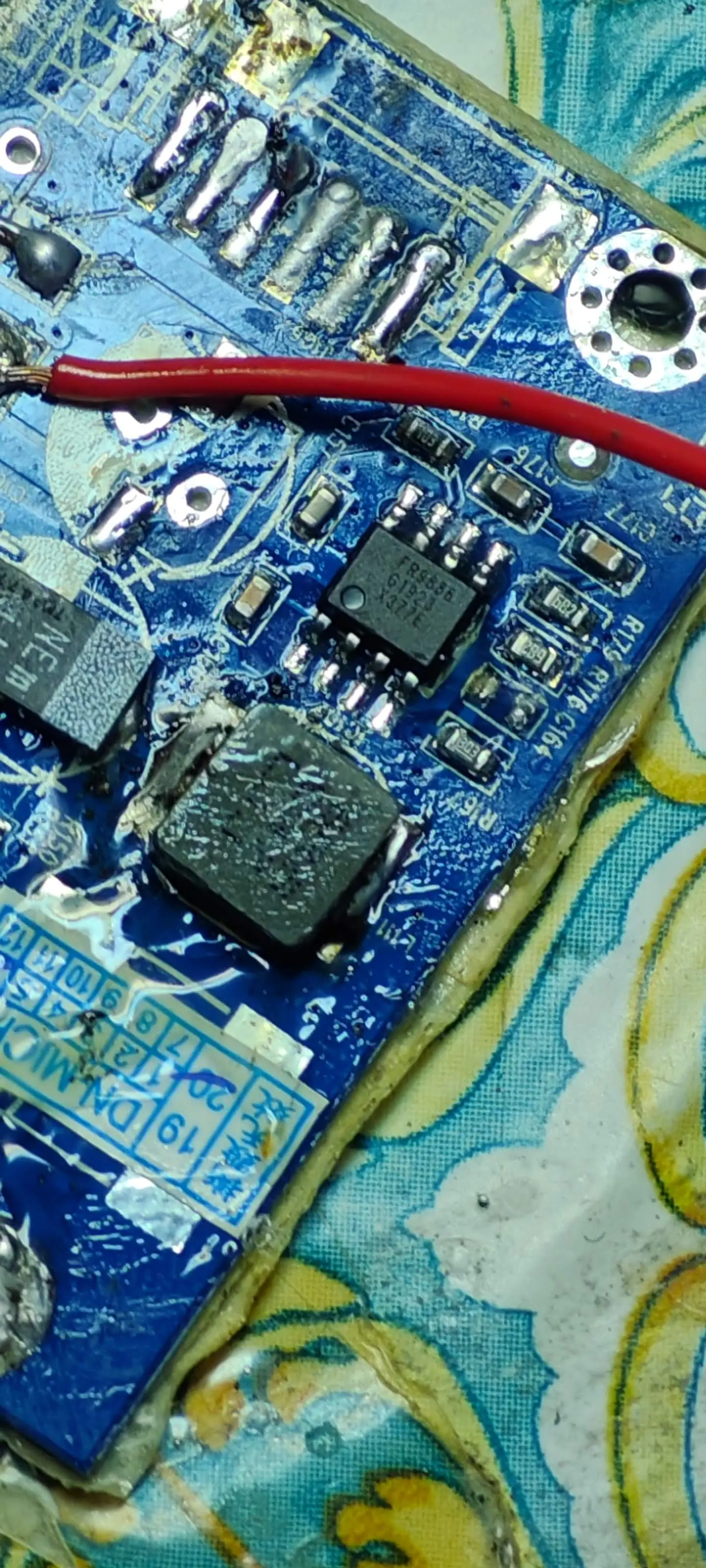
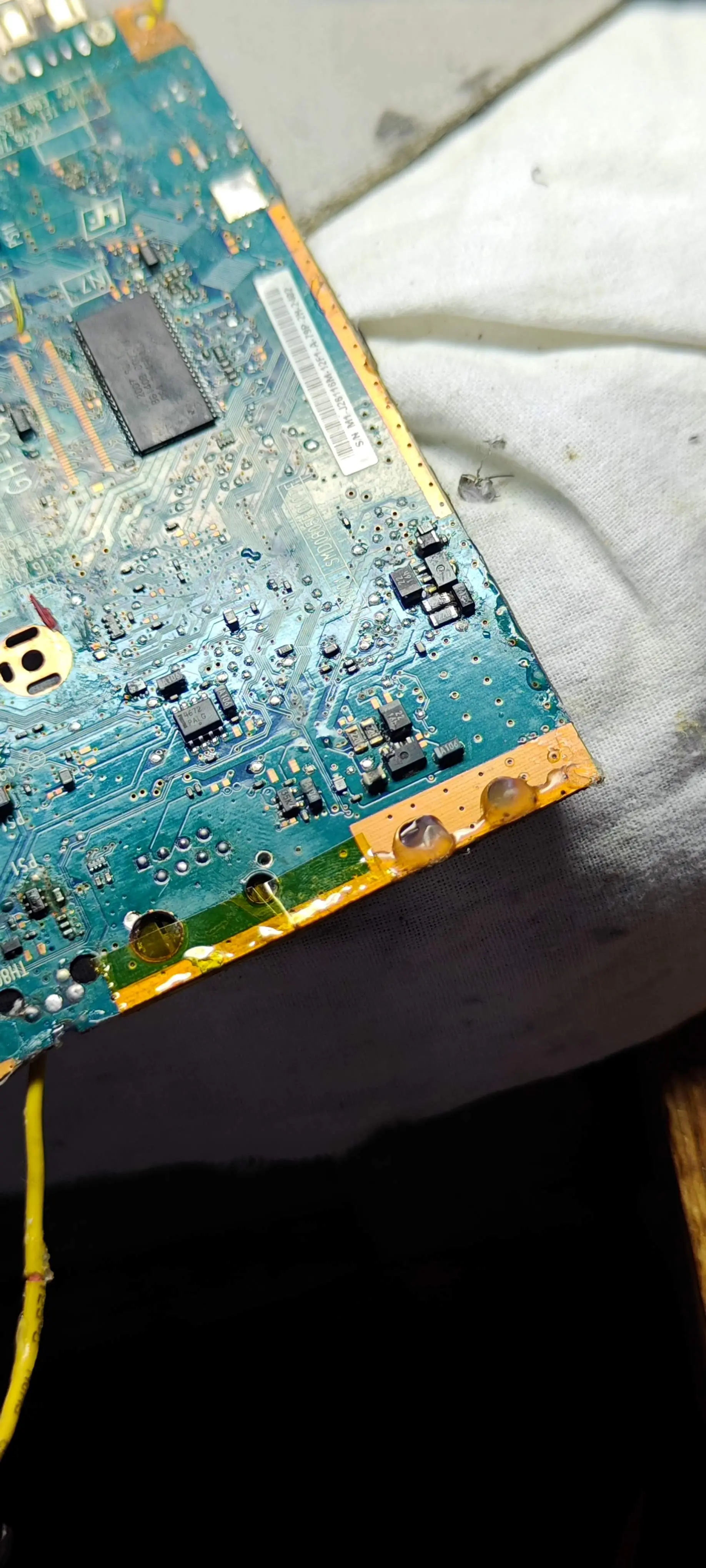
cut a piece of board to have some space underneath will probably put the pth back there
you can see the ETH transformer directly on the board with minimal assembly
IMG_20260126_162242.webp
IMG_20260126_164135.webp

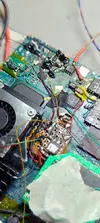
same fate happened to the router, removed the original capacitors with smd, removed the door and two pieces of pcb so that it remains small enough:
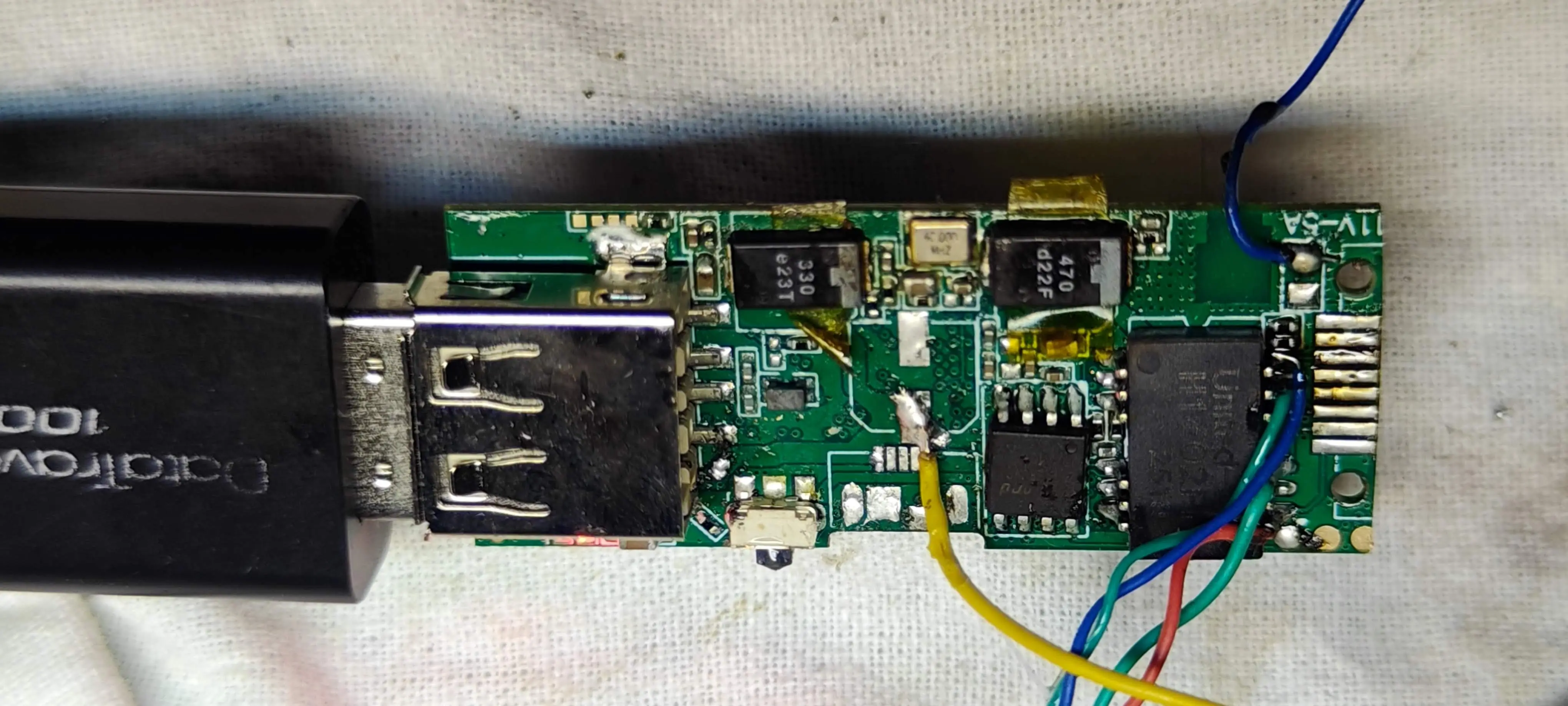
IMG_20260126_174257.webp

currently this is the current situation:
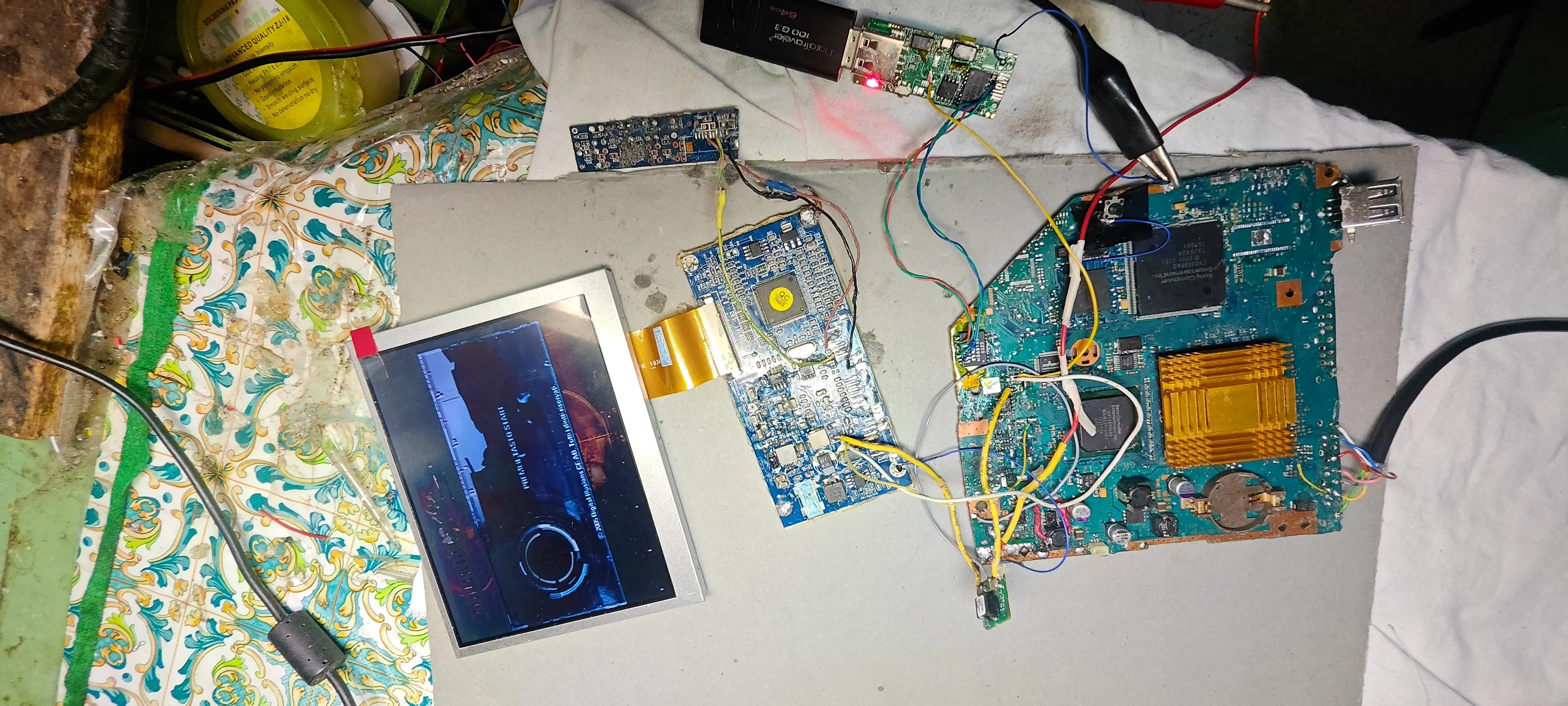
IMG_20260126_174336.webp

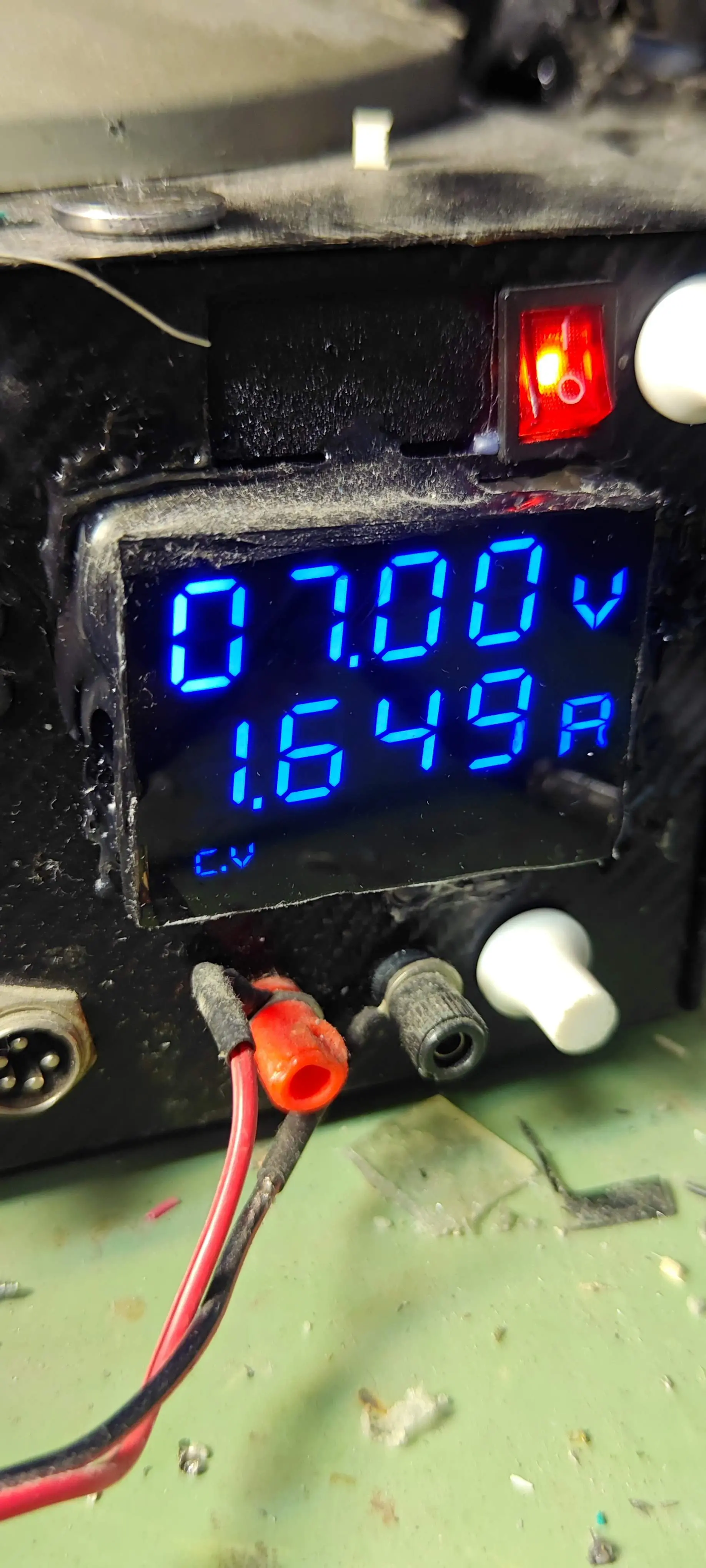
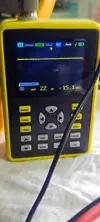
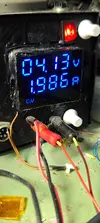
some consumption at various voltages, the minimum operating voltage is 5.5V
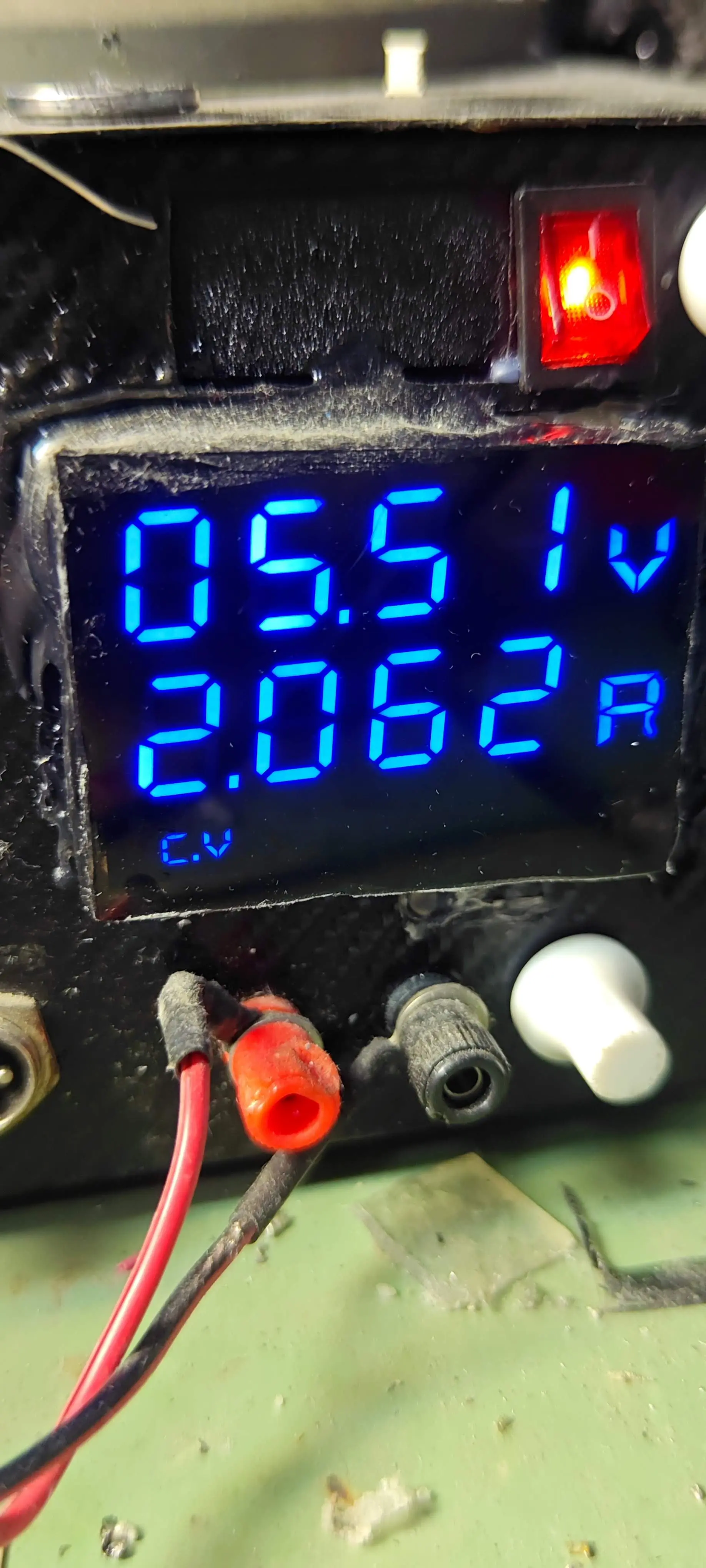
IMG_20260126_165711.webp
IMG_20260126_165439.webp

The goal will be to try to have:
  1. the router close to the CPU-SB area so as to use a single cooling system to cool everything (Raspberry 5 heatsink?)
  2. definitely reduce weight and size
  3. double USB and memory card slot so you can use both normal ISO loading via USB - SMB and MX4SIO
  4. the Switch analog controllers could be a good alternative to keep everything light and manageable
  5. I would like to lower the CPU voltage but keeping the original regulators at least for now... also because I have other pth / regulators (even an RVL-pms v1 made together with the Wii) but I don't want to strain my neck too much by cutting the board again and maybe finding myself with a brick lol

advice and more are greatly appreciated
:D
 
You could upgrade the mini 3G router to a firmware that will run UDPBD instead of SMB which will run faster. Putting a small heatsink on the router will also help with heat problems.
I have a desire to also use switch controller on a portable PS2 i'm working on but it requires bluetooth connection via a blueretro. The charging of the controllers can be done easily if you use a set of OEM slide connectors.
 
yes it would be an option to use UDPBD but I see that there is only one version of opl if I'm not mistaken? , maybe if I install everything I will make the eeprom accessible so as to facilitate the replacement of the router firmware.
You could upgrade the mini 3G router to a firmware that will run UDPBD instead of SMB which will run faster. Putting a small heatsink on the router will also help with heat problems.
I have a desire to also use switch controller on a portable PS2 i'm working on but it requires bluetooth connection via a blueretro. The charging of the controllers can be done easily if you use a set of OEM slide connectors.
The heatsink is already installed; it was a matter of figuring out how to integrate the router onto the board so as to have a single heatsink for the router, CPU, and SD card. One thing I wanted to check (I don't know if you've already done it on your firmware) is to disable the remaining 4 Ethernet ports as indicated by the router wiki:
According to this forum entry, there are 5 Ethernet PHYs in this SoC, and even if they aren't physically connected, they consume power—really (Wi-Fi off, all Ethernet on: 203mA vs. Wi-Fi off, one Ethernet on: 128mA). These commands turn off ports 1-4:
swconfig dev switch0 port 1 set disable 1
swconfig dev switch0 port 2 set disable 1
swconfig dev switch0 port 3 set disable 1
swconfig dev switch0 port 4 set disable 1
swconfig dev switch0 set apply
I also wanted to check if it could be completely deactivated (I remember that we removed the plugin and in fact it no longer works but I don't know if it remained "inert" in the background anyway)
It would also be nice to use the blue LED to view the LAN status or USB reading.
For those who missed the project, I saw how to use the original regulators to lower the CPU/SB voltage from 1.25V to 1V. Yesterday I ran some more tests, over 3 hours in BF2 with no problems. The heat has decreased significantly and the power consumption has also been significantly lower.
Using switch controllers would be a very nice thing since they practically already exist and in case of failure they are easily replaceable. I remember that the fake ones on AliExpress are not even BT but use pins to function. Could the same thing be used? You will definitely need a properly programmed FPGA interface to connect the PS2<->switch controller.
edit:
I saw that you already talked about the Ethernet issue, I was left with your August fw
 
Last edited:
Yes I did disable the unused PHY ports on mine by adding it manually. I have not made another firmware as it is quite a pain to do.
I wanted to ask you something if you know about the ethernet connection. Is it possible to connect the router to ps2 bypassing the inductors on both sides? Since the wire distance would be very short from router to ps2 pcb i wonder if those inductors are needed at all on both sides. Just a thought.. I haven't tried this on mine since I don't plan on removing the ports on my portable. I am fitting it in a 8 inch LCD which is big enough that i don't have to do much cutting on my ps2 and just use it as is.

As far as power is concerned you can try running PS2 on 5V only. You would have to make modifications like removing the 2 x 5V tsop chips that go to the USB port and to the sound chip. And feeding those directly from the 5V supply. At least 2-3A regulator is needed.
I am running mine on single 5V supply and just using a dc-dc converter from 8V to 5V. Unfortunately i have not taken any accurate measurements of current or power draw before and after but everything works fine during gaming. I wanted to run everything on 5V since my LCD , the ps2 av to hdmi, and the pam amplifier board all require 5V. This also lowers the fan speed of the PS2 to run on 5V.

I believe most switch controllers even the fake ones from aliexpress would have bluetooth. Adding it wired mode is probably doable but you might need an arduino or pi pico to do the translation to PS2 control. If you're going wired i guess just using a ps2 controller pcb is the way to go.
 
Yes I did disable the unused PHY ports on mine by adding it manually. I have not made another firmware as it is quite a pain to do.
I wanted to ask you something if you know about the ethernet connection. Is it possible to connect the router to ps2 bypassing the inductors on both sides? Since the wire distance would be very short from router to ps2 pcb i wonder if those inductors are needed at all on both sides. Just a thought.. I haven't tried this on mine since I don't plan on removing the ports on my portable. I am fitting it in a 8 inch LCD which is big enough that i don't have to do much cutting on my ps2 and just use it as is.

As far as power is concerned you can try running PS2 on 5V only. You would have to make modifications like removing the 2 x 5V tsop chips that go to the USB port and to the sound chip. And feeding those directly from the 5V supply. At least 2-3A regulator is needed.
I am running mine on single 5V supply and just using a dc-dc converter from 8V to 5V. Unfortunately i have not taken any accurate measurements of current or power draw before and after but everything works fine during gaming. I wanted to run everything on 5V since my LCD , the ps2 av to hdmi, and the pam amplifier board all require 5V. This also lowers the fan speed of the PS2 to run on 5V.

I believe most switch controllers even the fake ones from aliexpress would have bluetooth. Adding it wired mode is probably doable but you might need an arduino or pi pico to do the translation to PS2 control. If you're going wired i guess just using a ps2 controller pcb is the way to go.
Hi :
  1. For the inductors I tried as answered above, unfortunately I did not have positive results, even using directly as indicated by Texas Instruments directly 4 33pf capacitors on the lines

  2. Yes, as above, I already use a pth8080 which allows me to power the console even at the limit of 5.5v (even a little less)
  3. I'm not very expert in switch controllers, I've only opened the original ones and they are quite complicated, I imagine the ones on AliExpress will have 1/3 of the components inside
anyway in the end for the mini router its limit is the ram and that is what throttles the mb/s of the samba I'm working on how to bypass the problem (I would like to install 64mb of ram which is the limit of the soc but you have to play with the boot loader) on this point maybe I continue on your post how I modify/do something else in order to have updates
 
You're more than welcome to start a new thread about the router as the information on my project is deep and hidden from everyone to see. :XD:
 
You're more than welcome to start a new thread about the router as the information on my project is deep and hidden from everyone to see. :XD:
you're welcome I think we're fighting for the same purpose lol, I added some info and a new custom fw if you want take a look.
 
Hi guys, some updates on the project:
I installed a small heatsink by directly soldering two small bushings and screwing it to the motherboard (towards ground). The heatsink can be found for a few euros on aliexpress and is from a Raspberry Pi.
then I also installed the a5 on the ps2 motherboard:
IMG_20260206_124004.webpIMG_20260211_202323.webpIMG_20260211_202327.webp
mounted heatsink and mini circuit with mosfet for fan control with an ntc:
IMG_20260212_190406.webp
IMG_20260218_162759.webp
IMG_20260218_162751.webp

so little recap:
  1. LCD board --> trimmed both sides, removed the 5V input step down, now the board works at 5V (as I wrote) but it has been cut on both sides, the correct inductors have been put back (scrounged from two dead PSones - 22uh to have the correct 9v and 12v pp), i noticed some very small white dots (background noise / white noise?) I also went back to the original voltage of 1.25v in the end doing several tests I take a 90004 and even with all the original circuit it does it, ditto on the LCD board before the "cut" so it is the system that does not perfectly digest the signal from the PS2 (I repeat they are very small and playing with the contrast / brightness you can also make them disappear completely) but I will do some tests on how to proceed
  2. Motherboard --> I modified the PTH by moving the inductor so as to have less space available upwards... but I remembered an "annoying" thing: all 2S systems still suffer from cell balancing etc. Having another Wii PMS, I could do the crazy thing of trimming the card and proceed to power it using everything as Legend did with only 3 voltages (1v, 1.8v, 3, 3v)
  3. A5 (router) with the modified custom firmware permanently installed with thermal pads on the PS2 motherboard with the shortest possible LAN cables, added an additional capacitor on the 1.25v rail of the CPU (the CPU now practically does not heat up at all, the plate is sufficient to dissipate the little heat produced)
  4. the most drastic part will be the case, it certainly doesn't make sense to reuse the original large and heavy one (+ rear plexiglass plate) it will be the right time to use a 3D software to create / modify an existing one
  5. at the moment the complete system mb(fan+hs)+a5+lcd/lcdboard is around 200 - 220 grams it doesn't seem bad to me,LCD I can remove the metal frame once mounted saving more weight and thickness.
  6. for the a5 router I found another interesting card --> luckfox pico mini, much smaller, more performing and less energy-hungry, I started to create an embryonic fw with buildroot, at the moment I am at about 80kb of difference in favor of the r5350f ,the top would be in version b with 128mb nand on board and have the entire system there
  7. For the controller, I wanted to use the Switch analog inputs, but I can see that a compatible Chinese controller doesn't support them. I wanted to try the Santroller with an Arduino Micro/Pi Pico. Does anyone have any experience with this? It seems pretty well made.
 
some "small updates":
IMG_20260222_185018.webp
IMG_20260222_185023.webp


I took "courage" by trimming the card, fortunately everything was ok!
Some small problems with the VGA wiring but fortunately nothing irreparable.
  1. wired vga and composite with shielded cables from an old lvds cable + tried some advice but those white dots remain (I repeat very small and difficult to see especially in games where the screen is dynamic so for now ok like this
  2. wired memory card - dualshock - mx4sio everything perfect!

    IMG_20260222_185055.webp


  3. I want to try to create a more efficient and at the same time economical regulator with modules/components that can be easily purchased on AliExpress
    • 5v : TPS63802
    • 1.8v: (linear) - RT9193-18GB (There is something more effective always on textas instruments but under load at that mA consumption it would change little)

    • 2,5v: TPS63030 --> 2,2uh mod
    • 3,5v:TPS63030 --> 2,2uh mod
    • 1v : TPS62867 -TPS62869 hard to find on aliexpress
    • 1v- tlv62095 (gman v1) with more performance inductor (still 1uh)
    • 1s setup + IP2365 battery charger
  4. The main problem I noticed in the gman v1 is that once the voltage drops too low (battery is almost dead) the 3.3v rail, being a step down, collapses at the same time making everything unstable (now I understand the defect of the analog sticks on the portable Wii once the battery is almost dead).
 
Hi guys, another update:

IMG_20260228_181845.webpIMG_20260301_145043.webpIMG_20260303_114006.webpIMG_20260304_110611.webp

IMG_20260301_145049.webp
IMG_20260303_173211.webp

  1. I've trimmed the right and top sides of the board, and I'd say I've reached the smallest possible "safe" size (although I've seen that the right side can be completely removed, including the right cdx).
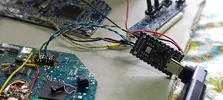
  2. The Ethernet transformer has been rotated 180 degrees since the support surface no longer exists after trimming. Furthermore, as mentioned, the Luckfox has been used, showing off its dexterity compared to the small router.
  3. if you notice the kingston usb is practically bigger than the board itself, I did numerous stress tests and there were some problems with the samba firmware/configuration, despite it being version 4.18 much heavier than version 3 used by the router with the necessary modifications it has become a rocket as a card, the limit of the ram remains which even if double 64mb by reflection using a much more recent samba and a heavier kernel results in practically almost the same situation, fortunately I was able to use zram which allowed me to eat up a few mb of virtual ram. at the moment even after hours of inactivity simulating a paused game or other there are no problems in resuming normally.
  4. currently the fw is ultra optimized and tests carried out on sd but the goal is to integrate everything on the small 128mb nand
  5. For the analog sticks, I found: Hall K-SILVER JH16, they seem to work great even with the original DualShock! I abandoned Santroller because it doesn't seem to be recognized as a DualShock 2 in games that require it (same problem as the PS2+?) having the board removed from the project I will reuse that one
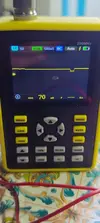
  6. Since I don't have the new regulators yet, I've tuned the Wii-PMS so I can continue testing. I've raised the 1V to around 1.05V to ensure stability (on the board I was reading 0.90V, now it's a stable 1V). Other tips to make these regulators more stable and with cleaner output: small capacitor 22pf on pull-up resistor , 100nf capacitor on vout + small electrolytic (I used some old nec tokin) having these measurements:
  • Rms 2.5v 15 - 22 mv average --> 15mv --> 122mA consumption
  • Rms 1.05v average 30-35mv max 40mv--> 2A consumption ?
  • Rms 5v 15-20mv --> 600mA consumption no pico
  • Rms 3.6v 15-20mv some 'violent' Spike --> 312mA ( + ams1117 for 1.8v)
nb: I managed to get everything to work with just one transformer on the PS2 side, as the controller unfortunately works in voltage mode. After doing various tests with capacitors and resistors, I was unable to eliminate it. In that case, it wouldn't make sense if you had to create a mini RC circuit, even if it was small, as it would become bigger than the transformer itself (it can only work like this with new devices where the controller works in current mode, such as the Luckfox).
IMG_20260301_145026.webp
 
Hi guys here is my update after about 20 days:
Power regulator:
The goal was to try to minimize losses (and there are still others but I'd say I'll be satisfied for now):

2026-03-25_07h49_05.webp2026-03-25_07h51_38.webp2026-03-25_08h06_36.webpIMG_20260319_130648.webpIMG_20260312_211334.webp
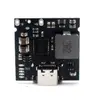
  1. 1V Rail: For the main power rail here is our protagonist, a board of just about 2.20 euros modified so as to be able to obtain 1V output even with only 3V input, furthermore I modified the inductor from 6r8 to 2r2 in order to minimize waste, the output is simply spectacular less than 10mv rms, makes the ps2 ultra stable, furthermore it is ultra compact about 30x20x6 (with the 2r2 inductor it is 0650 and is higher than the original : It should be based on a JW5069A, confirmed that the ps2 compared to 1.25v with consumption of 3.1a at 1v consumes maximum 2.3a a nice lot of energy and heat saved.
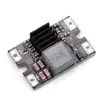
  2. Rail 2.5V and 3.5V : for these two rails I did several tests with modules always easily available on aliexpress and cheap such as the tps63030 - tps63020 and indeed the double protagonist tps63802. the tps63020 proved to be a disaster at least in my sample, ultra noisy output that made the console unstable, the 030 slightly better but the 802 was a revelation, ultra small compact and above all stable all the more so for these two rails with very low consumption it is practically the top, even in this case we are talking about 5 euros of components (two modules) it is slightly a pain in the ass being precisely small in modifying the resistors to get to the values, with the ones I had I managed to obtain around 2.55v and just over 3.6v, no problem. we are around 150-300ma for these rails.​
  3. Rail 1.8V:For the 1.8v rail I used a small RT9193-18 model with fixed VOUT so no breakage with resistors to calculate or anything else, easy, simple and fast, small SC-70 plate and 3 capacitors and that's it. To minimize waste it is cascaded to the 802 with 2.5v VIN (being a linear to limit heat and waste it is crucial that the VIN and VOUT must be close to the limit of the Vdrop), ditto for the LCD board goodbye to the standard 1.2v AMS1117 that powers the chip, also in this case RT9193-12 with 2.5v VIN (I could put it back in cascade on the 1.8v given a paltry consumption of 35mA but I wanted to leave it as cool and rested as possible, however at 1.8v the consumption is around 150mA if I remember correctly). in this case too we are talking about around 4-5 euros of materials (to practically make 5).​
  4. Rail 5V:I have tried various power bank boards but the crucial point is that they must not have the fuel gauge function, this is because the entire system connects directly to the lipo with VIN bypassing the power bank, with the fuel gauge function the power bank would detect the absorption and cut everything off remaining unusable. The SW6106 is simple enough not to have this function, another function can be connected (recommended) directly to 5v VIN in order to greatly limit the heat to charge the cell, it also supports 4.4v cells which will be my goal.The only problem is that there's a 500ms gap between the 5V output when it disconnects from the charger, so the console can't be used while it's charging. I'll see if I can solve this problem somehow, perhaps using another 802 for the 5V. This way, it should only be used to charge the battery (although I'd lose the status LEDs even when discharging at this point...) cost around 3-4 euros.​
The complete system ps2+lcd+audio+luckfox we are practically at the consumption of a standard ps2 about 8.5-9w!

Ethernet:
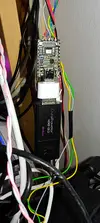
As seen above, I used a Luckfox Pico with a single transformer, the system was correctly created and cleaned on the 128MB NAND, furthermore it was blocked as read-only. It took me days to understand how Samba worked and not block the network to the PS2, it should be practically ok. To be safe I will solder a mini UART module so I can connect whenever I want and/or make modifications or improvements.

Audio:
2026-03-25_08h20_19.webpIMG_20260320_162327.webp

TPA6132 + HT6809
These are the two protagonists of the "story", the TPA is also a small module also from AliExpress for a few euros, it works very well. I combined it with a double DS1669S for volume control. For the HT6809 I already used it for the old models but not having the headphone management I then opted for the TPA0162, the problem with this integrated is that it is an AB amplifier! so the power consumption is abnormal and therefore discarded even though I adapted it to new "life" on a prototyping board to mount it.if ht is a problem for you you can use a simple pam8403.

Having a 90004 on the table, I also played a little with the DAC part:
PCM5100A, PCM5102A, PCM1754. The main problem, I'm not sure, is that the PS2 "should" use an 18-bit Right Justified protocol. The 5100 and 5102 are not supported, and the 1754 is supported, but at 16-bit max, so it didn't work for me in this configuration. Playing around with it, it seems that the 5102 configured to Left Justified with an internally generated auto sck seems to work fine. Having found at least no major differences, I left the original DAC, also to avoid headaches regarding where to place this module and any possible external problems, given that the two protocols are not the same.

Final electronics:
IMG_20260320_203545.webp
IMG_20260313_173813.webp


IMG_20260322_154610.webp


So we have the two TPS connected directly under the motherboard via thermal pads, I sacrificed a few 0.5mm of thickness by doing this but I got rid of the headache of flying cables, having only the 1v and 5v module external to the board, Luckfox LCD board and everything installed on the PS2 board. Soldered via 3 points to ground so that it can (hopefully never) be easily disassembled in case modifications need to be made. Ditto for the Luckfox positioned above the mechacon directly on the board with thermal pad (it should not exceed 50 degrees) ,in the bottom photo the 3.5v is missing on the left side as per the guide.
For the video signal cables, an old LVDS cable was used, the same for the two audio channels, the capacitors for the video were removed, on the audio side they remained but SMD compared to the original electrolytic ones.I also replaced the LCD board + mechacon quartzes,
IMG_20260320_194638.webp2026-03-25_08h48_31.webp


My limitation is 3D design, but fortunately I'm making progress by drawing a case both virtually and physically, the latter mainly to understand internally how to design everything.

2026-03-25_08h49_17.webp
2026-03-25_08h51_22.webp
 
Hi guys, it's been a while. I'm hard at work on the case and the surrounding components. I'd say I should be able to finish everything by the end of the month at the latest (fingers crossed). A small spoiler photo:
IMG_20260413_221853.webp
The new case will follow the old one in terms of button layout and style, but in a modern way, much thinner and lighter.
 
Hi guys, it's been a while but it's time to reveal the end of the project:
As per the previous preview, I purchased a used 3D printer, and it was the first obstacle I faced with all the calibrations, tests, and issues with the machine. Once I overcame these and after using a few kg of filament in various tests, I obtained a final result on a scale of 1 to 10, about 8.
A few small defects, but nothing too critical to prevent me from finishing the project. It's incredible how just a 0.1 setting can ruin a 3D print.Having zero experience, istarted with a common black PLA, which, strangely, was super easy to print.
The real problem arose when I switched to PETG.Scrolling through my Instagram, I literally saw people complaining about the PLA, which, after several years of absorbing humidity, practically turned to dust and broke at the slightest touch. I'd say it's the worst thing for a project like this. In fact, I already had silver silk PLA to achieve the same quality result as the original color, but I sent it back and, as mentioned, switched to PETG. In addition, as written above, the challenge was also learning how to use Fusion, the various tolerances, measurements, etc.:
IMG_20260501_095619.webp
IMG_20260501_140346.webp
IMG_20260514_134805.webp
then I saw that if I wanted to have it done by jlc3dp, for example, this color did not exist, so fortunately I did well to try my hand at 3D to get the desired result (after several hours and days).

Pla Black + some test:
IMG_20260417_224614.webp
IMG_20260601_145804.webp

and here is the final result, in the sunlight the colour released is nothing short of spectacular
IMG_20260601_145333.webp

IMG_20260601_145328.webp

IMG_20260601_145359.webp
IMG_20260601_145403.webp
IMG_20260601_145346.webp
IMG_20260601_145419.webp

Comparison with OLED switch (old backplate):
IMG_20260518_003759.webp
IMG_20260518_003815.webp

behind the scenes:
IMG_20260505_233528.webpIMG_20260517_233146.webp
IMG_20260509_000622.webp

Final dimensions: 220mm width, 129mm height, 27.3mm thickness
2026-06-01_15h27_02.webp

the autonomy exceeds 3h but during the work I had to remove the JW for the 1V line and cut a part of the PCB of an RVL to have the step down, by doing so I unfortunately lost almost 100ma of consumption compared to the JW, for this small spoiler I created a new RVL very easy and small to use as soon as I receive everything I will try it hoping not to have made a waste of time being in any case also for this first experience in designing a circuit from 0 and sending it to the project
2026-06-01_15h24_16.webp

Baptizing them the "3.0 full" will be the full version with all rails + battery management, as for efficiency we should be over 90% from a single LIHV line (but it can be set with a simple resistor for normal lithium and/or other types). The "3.0" is a small module with step down that can be positioned wherever we want in cascade in different positions to have low voltages with current up to 6A.

2026-06-01_15h32_56.webp


What else for the future? I had Saturday off just the day before yesterday and I started "playing" with the 9000x too, I managed to make a trim equal to that of gman for the 7900x, so I would like to post a guide soon too but it takes time to do it as well as gman, I would also like to create a single flat that facilitates the reallocation of the data lines of the dualshock + memory card + which already hosts the entire memory card on the circuit so as to avoid other flying cables and bulky PCBs

2026-06-01_15h36_11.webp


A final thank you to the entire forum, who have continued this journey over the years, revealing so many gems and helping me complete this project.B|
 
Back
Top