PS2 PMS

Mister M

.
.
Joined
Apr 6, 2020
Messages
127
Likes
341
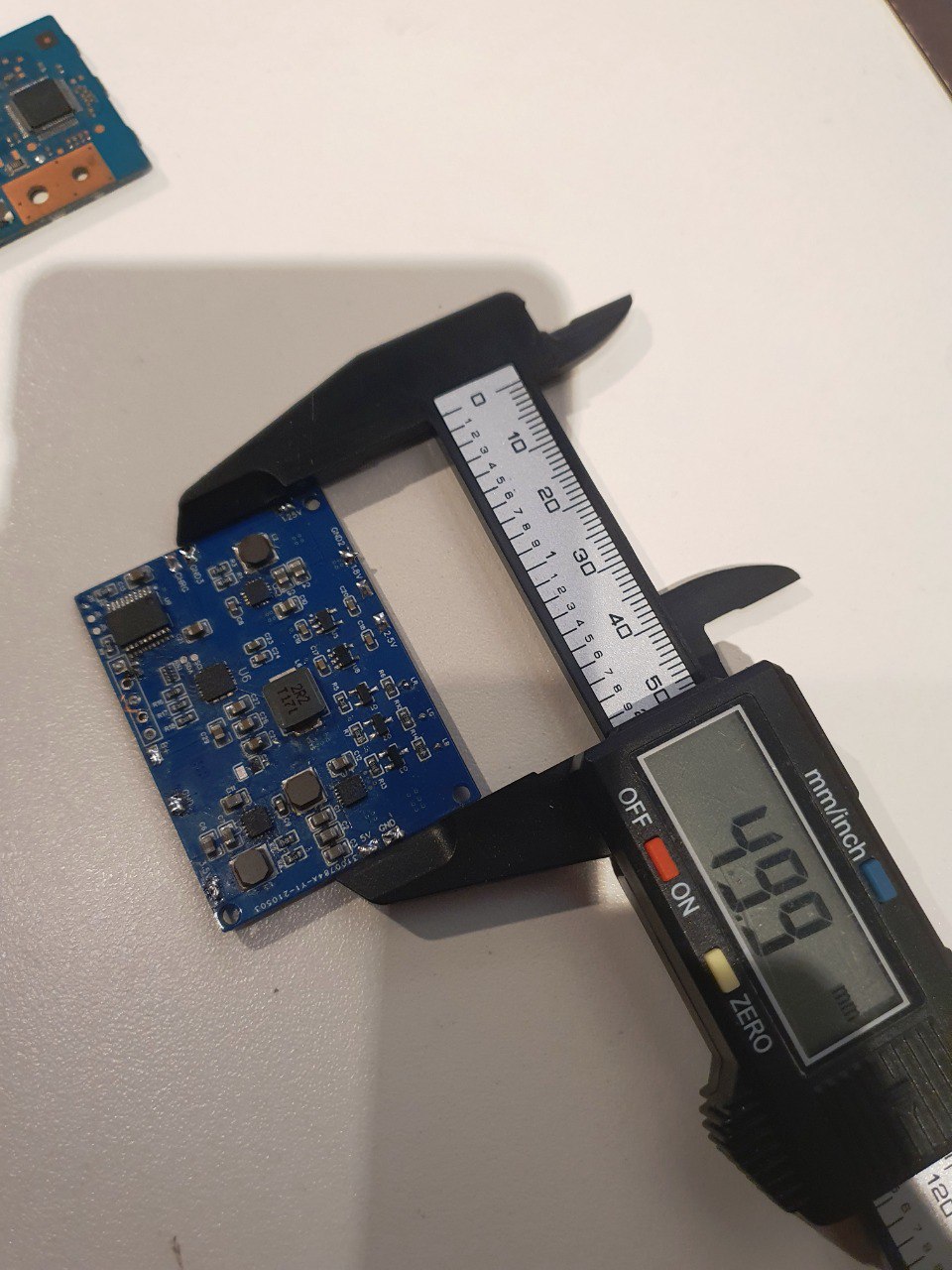
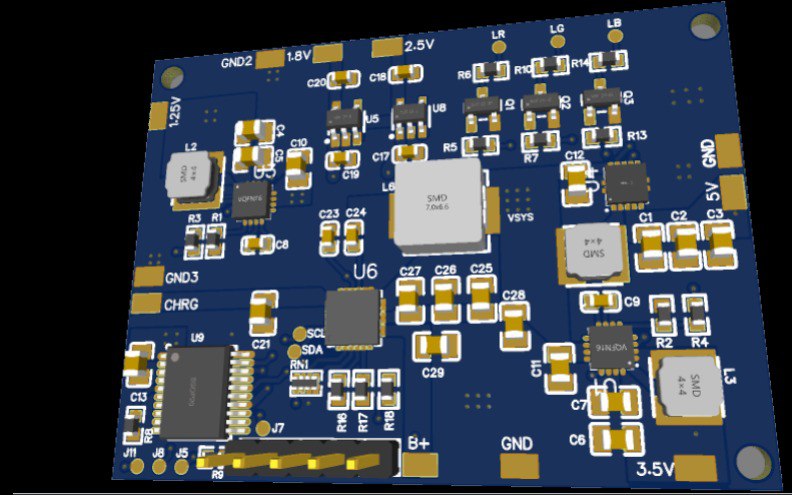
This regulator project is derived from the work of @Gman that he did for the Wii, I made some small modifications, it was in this project that I learned how to develop PCBs and a little bit of reverse engineering of PCBs, the project is tested and 100% functional, completely open source. It was my first PCB project and I never remember to post it here. Thank you @Gman for your beautiful work on these regulators, it was a great learning experience for me.
https://mega.nz/folder/eN9HFBDA#NfWZCeH6ELEEKPa8bG2ehA

new update: https://oshwlab.com/linkmarlonvrb/Reguladores-Personalizados

1000090626.jpg

1000090623.jpg

1000090624.jpg
1000090625.jpg
 
Last edited:
Great work! I'm happy to see people are releasing solutions like this for the PS2
 
Thank you!

Correct me if I'm wrong, but we could use this on all those PS2 consoles with the power issue (red light to green light back to red, or just a red light). I'm thinking it would be easier to get those consoles up and running by using a regulator board like this one. The power is isolated, making it way easier to troubleshoot and repair.

I wonder if it would be a good idea to swipe off the original filter caps and ICs. If nothing else, it would be a great learning experience to use these to figure out what's causing the power failures.

Y'all are probably miles ahead of me, and I'm just now discovering this, ha!

Great work, guys—I really appreciate your contributions!
 
Thank you for making this!
For anyone wondering, this is NOT the board mentioned in customledmods' "UPDATED ps2 21700 use these" post.
That board is found here, and is also designed by Mister M.

I noticed that the BOM from the updated link doesn't really have product codes and so is a bit harder to upload to sites like Mouser and Digikey.
Here's a copy of my list (hopefully all the parts are correct/suitable):
[Also note, apparently the TPS61232DRCR is a suitable replacement for the TPS61230DRCR, since Mouser was OoS when I ordered the parts]
I'll update if everything works once the parts arrive.


IDItemPart NumberDesignatorQuantity
22uF 16V SMD CapacitorCL10A226MO7JZNCC1,C2,C3,C4,C5,C6,C7,C10,C11,C12C080510
10uF 16V SMD Ceramic CapacitorCL10A106MO8NQNCC25,C26,C27,C28,C29C08055
10nF 10V SMD Ceramic CapacitorCC0603KRX7R7BB103C8,C9C06032
4.7uF 16V SMD Ceramic CapacitorGRM188R61C475KE11DC23C06031
1uF 16V SMD Ceramic CapacitorCL10B105KO8NNNCC13,C21C08052
100nF 16V SMD Ceramic CapacitorCL10B104KO8NNNCC17,C18,C19,C20C06034
47nF 16V SMD Ceramic CapacitorCL10B473KO8NNNCC24C06031
1uHMDWK4040T1R0MML1,L2,L3IND-SMD_L4.0-W4.03
2.2uHBCIHP0730-2R2ML6IND-SMD_L7.0-W6.61
100Ω 0603 SMD ResistorAT0603DRE07100RLR6,R10,R14R06033
261Ω 0603 SMD ResistorRT0603BRC07261RLR16R06031
10KΩ 0603 SMD ResistorRT0603DRE1310KLR5,R7,R8,R9,R13,R17,R18R06037
90.9KΩ 0603 SMD ResistorRT0603BRD0790K9LR3R06031
160KΩ 0603 SMD ResistorRT0603DRE07160KLR1,R2R06032
510KΩ 0603 SMD ResistorRT0603DRE07510KLR4R06031
10KΩ 0603 SMD Resistor ArrayEXB28V103JXRN1RES-ARRAY-SMD_0402-8P-L2.0-W1.0-BL1
NPN transistor, 40 V, 200 mAMMBT3904-TPQ1,Q2,Q3SOT-23-3_L2.9-W1.3-P1.90-LS2.4-BR3
Buck DC-DC converter, up to ~1 ATLV62095RGTRU1,U3VQFN-16_L3.0-W3.0-P0.50-TL-EP1.82
Boost DC-DC converter, 0.7–5.5 V inputTPS61230DRCRU4VSON-10_L3.0-W3.0-P0.50-TL-EP1
1.8 V LDO regulator, 400 mATPS73618DBVRU5SOT-23-5_L3.0-W1.7-P0.95-LS2.8-BL1
2.5 V LDO regulator, 400 mATPS73625DBVTU8SOT-23-5_L3.0-W1.7-P0.95-LS2.8-BR1
Single-cell Li-ion charger, I²C-controlledBQ25895MRTWRU6QFN-24-1EP_4X4MM_PITCH0.5MM1
8-bit PIC MCU, 28 KB FlashPIC16F15344T-I/SSU9SSOP-20_L7.2-W5.3-P0.65-LS7.8-BL1
5-pin 2.54 mm male headerHDR-M-2.54_1x5J4HDR-M-2.54_1X51

edit: I had to take the product numbers from the post below for the two sets of inductors (L1,L2,L3, & L6) and the resistor array (RN1), as the ones I purchased were too large for the footprint.​
 
Last edited:
Thank you for making this!
For anyone wondering, this is NOT the board mentioned in customledmods' "UPDATED ps2 21700 use these" post.
That board is found here, and is also designed by Mister M.

I noticed that the BOM from the updated link doesn't really have product codes and so is a bit harder to upload to sites like Mouser and Digikey.
Here's a copy of my list (hopefully all the parts are correct/suitable):
[Also note, apparently the TPS61232DRCR is a suitable replacement for the TPS61230DRCR, since Mouser was OoS when I ordered the parts]
I'll update if everything works once the parts arrive.


IDItemPart NumberDesignatorQuantity
22uF 16V SMD CapacitorCL10A226MO7JZNCC1,C2,C3,C4,C5,C6,C7,C10,C11,C12C080510
10uF 16V SMD Ceramic CapacitorCL10A106MO8NQNCC25,C26,C27,C28,C29C08055
10nF 10V SMD Ceramic CapacitorCC0603KRX7R7BB103C8,C9C06032
4.7uF 16V SMD Ceramic CapacitorGRM188R61C475KE11DC23C06031
1uF 16V SMD Ceramic CapacitorCL10B105KO8NNNCC13,C21C08052
100nF 16V SMD Ceramic CapacitorCL10B104KO8NNNCC17,C18,C19,C20C06034
47nF 16V SMD Ceramic CapacitorCL10B473KO8NNNCC24C06031
1uH0624CDMCCDS-1R0MCL1,L2,L3IND-SMD_L4.0-W4.03
2.2uH0624CDMCCDS-2R2MCL6IND-SMD_L7.0-W6.61
100Ω 0603 SMD ResistorAT0603DRE07100RLR6,R10,R14R06033
261Ω 0603 SMD ResistorRT0603BRC07261RLR16R06031
10KΩ 0603 SMD ResistorRT0603DRE1310KLR5,R7,R8,R9,R13,R17,R18R06037
90.9KΩ 0603 SMD ResistorRT0603BRD0790K9LR3R06031
160KΩ 0603 SMD ResistorRT0603DRE07160KLR1,R2R06032
510KΩ 0603 SMD ResistorRT0603DRE07510KLR4R06031
10KΩ 0603 SMD Resistor ArrayYC248-JR-0710KLRN1RES-ARRAY-SMD_0402-8P-L2.0-W1.0-BL1
NPN transistor, 40 V, 200 mAMMBT3904-TPQ1,Q2,Q3SOT-23-3_L2.9-W1.3-P1.90-LS2.4-BR3
Buck DC-DC converter, up to ~1 ATLV62095RGTRU1,U3VQFN-16_L3.0-W3.0-P0.50-TL-EP1.82
Boost DC-DC converter, 0.7–5.5 V inputTPS61230DRCRU4VSON-10_L3.0-W3.0-P0.50-TL-EP1
1.8 V LDO regulator, 400 mATPS73618DBVRU5SOT-23-5_L3.0-W1.7-P0.95-LS2.8-BL1
2.5 V LDO regulator, 400 mATPS73625DBVTU8SOT-23-5_L3.0-W1.7-P0.95-LS2.8-BR1
Single-cell Li-ion charger, I²C-controlledBQ25895MRTWRU6QFN-24-1EP_4X4MM_PITCH0.5MM1
8-bit PIC MCU, 28 KB FlashPIC16F15344T-I/SSU9SSOP-20_L7.2-W5.3-P0.65-LS7.8-BL1
5-pin 2.54 mm male headerHDR-M-2.54_1x5J4HDR-M-2.54_1X51
Here's the original, I tried to quote in JLCPCB, they have all the parts upon checking as of now.

ID
Name
Designator
Footprint
Quantity
Manufacturer Part
Manufacturer
Supplier
Supplier Part
1​
TPS61230DRCR​
U4​
VSON-10_L3.0-W3.0-P0.50-TL-EP
1​
TPS61230DRCR​
Texas Instruments
LCSC​
C139626
2​
TLV62095RGTR​
U1, U3​
VQFN-16_L3.0-W3.0-P0.50-TL-EP1.8
2​
TLV62095RGTR​
Texas Instruments
LCSC​
C477931
3​
TP2​
CHRG,1.25V, 1.8V, 2.5V, 3.5V, 5V, GND, GND1, GND2, GND3
TP2​
10​
4​
1uH​
L1, L2, L3​
IND-SMD_L4.0-W4.0​
3​
MDWK4040T1R0MM​
Taiyo Yuden
LCSC​
C222756
5​
BQ25895MRTWR​
U6​
QFN-24-1EP_4X4MM_PITCH0.5MM
1​
BQ25895MRTWR​
Texas Instruments
Digi-Key​
6​
TPS73618DBVR​
U5​
SOT-23-5_L3.0-W1.7-P0.95-LS2.8-BL
1​
TPS73618DBVR​
TI​
LCSC​
C115797
7​
10K​
R5, R7, R8, R9, R13, R17, R18
R0603​
7​
RC0603FR-0710KL​
YAGEO​
LCSC​
C98220
8​
TP1​
LR, LG, LB, SDA, SCL, J5, J7, J8, J11
TP1​
9​
9​
510K​
R4​
R0603​
1​
RC0603FR-07510KL​
YAGEO​
LCSC​
C114066​
10​
1uF​
C13, C21​
C0805​
2​
GCM21BR71E105KA56L​
MuRata​
LCSC​
C85865​
11​
100​
R6, R10, R14​
R0603​
3​
RMC06031001%N​
Tyohm​
LCSC​
C269700​
12​
10K​
RN1​
RES-ARRAY-SMD_0402-8P-L2.0-W1.0-BL
1​
EXB28V103JX​
PANASONIC​
LCSC​
C178757​
13​
90.9K​
R3​
R0603​
1​
RC0603FR-0790K9L​
YAGEO​
LCSC​
C185305​
14​
HDR-M-2.54_1x5​
J4​
HDR-M-2.54_1X5​
1​
C358687​
15​
160K​
R1, R2​
R0603​
2​
AC0603JR-07160KL​
YAGEO​
LCSC​
C228132​
16​
10uF​
C25, C26, C27, C28, C29
C0805​
5​
CL21A106KOQNNNG​
Samsung Electro-Mechanics
LCSC​
C307520​
17​
PIC16F15344T-I/SS​
U9​
SSOP-20_L7.2-W5.3-P0.65-LS7.8-BL
1​
PIC16F15344T-I/SS​
MICROCHIP​
LCSC​
C147918​
18​
MMBT3904-TP​
Q1, Q2, Q3​
SOT-23-3_L2.9-W1.3-P1.90-LS2.4-BR
3​
MMBT3904-TP​
MCC​
LCSC​
C77991​
19​
22uF​
C1, C2, C3, C4, C5, C6,
C7, C10, C11, C12
C0805​
10​
CL21A226MQQNNNE​
SAMSUNG​
LCSC​
C5674​
20​
261​
R16​
R0603​
1​
ARG03FTC2610​
Viking Tech​
LCSC​
C217913​
21​
tp2​
B+​
TP2​
1​
22​
10nF​
C8, C9​
C0603​
2​
CL10B103KB8WPNC​
Samsung Electro-Mechanics
LCSC​
C307346​
23​
100nF​
C17, C18, C19, C20​
C0603​
4​
CL10B104KB8NNNC​
SAMSUNG​
LCSC​
C1591​
24​
4.7uF​
C23​
C0603​
1​
CL10A475KO8NNNC​
SAMSUNG​
LCSC​
C19666​
25​
47nF​
C24​
C0603​
1​
CC0603KRX7R8BB473​
YAGEO​
LCSC​
C113811​
26​
2.2uH​
L6​
IND-SMD_L7.0-W6.6​
1​
BCIHP0730-2R2M​
Bao Cheng Elec​
LCSC​
C237908​
27​
TPS73625DBVT​
U8​
SOT-23-5_L3.0-W1.7-P0.95-LS2.8-BR
1​
TPS73625DBVT​
Texas Instruments​
LCSC​
C116654​
 
Just as a note to anyone who wants to use this board for their builds, there's a small issue and a rather problematic one.
The PMID (pin 23) is grounded in this board, which will cause a short circuit when attempting to charge the batteries via the board.​
It should instead have a separate section with a capacitor bank (according to the datasheet).​
The other thing is that the BQ IC PGND plane is a little too large and can easily cause shorts.​
I ended up applying a 'windowpane' of solder mask to reduce the overall size.​
I couldn't get charging to work even after making the necessary adjustments, so that's a shame, but in terms of providing power and correct voltages, this board works great. I just used an external 'charge and play' board from Aliexpress to manage the batteries for me.

Some potential improvements/notes:
  • The PIC chip needs to be programmed before populating the board. I'd recommend doing this first (I used a Pickit3)
  • The 'button' pad is actually to turn on the board and provide power to the PS2, not to power on/reset the console itself.
  • The three small pads (labelled LR,LG, and LG) are seemingly for LED colours (to show charging etc), but I could not get these to work (maybe because the charging circuit wasn't working? Also not sure if anode or cathode)
  • Pin headers (for PIC programming) are standard arrangement, but not labelled
  • Some of the component labels and alignment circles for the ICs were were a bit hard to read.
Additional notes from my experience:
  • I added an LED to the 5V capacitors to give a power indicator light during testing. Having a convenient pad or similar would be very useful.
  • I accidentally used the wrong size 1R0 inductors and had to grind the plane to mount them. Not a big deal, but maybe both sizes could be accounted for?
  • C21 should be as close to IC as possible according to datasheet, so I moved it closer when trying to get charging working
  • 'button' pad didn't have a convenient ground pad nearby
  • I ordered the wrong resistor array (x8 instead of x4), but individual 0201 resistors worked fine
Thanks Mister M for creating and sharing your board!
 

Attachments

  • 20260214_224721.webp
    20260214_224721.webp
    527.6 KB · Views: 15
  • 20260215_162528.webp
    20260215_162528.webp
    462.4 KB · Views: 15
Great news!There is a fix for the charging issue.

If you order the board as-is, you will need to grind away the PMID <> PGND connection, and also grind away the common GND connection (leave space though!)
Then you can add in a capacitor bank to the PMID 'island' to common GND (minimum 47uf).
The image below showed PMID (pin 23) connected directly to VBUS (pin 1), but this was not required.

20260228_154934.webp
20260228_154934 - Copy.webp
20260301_153929.webp


You can see that the 3v3 line has power from the LED glowing and I check all other voltages and they are outputting as if the battery was connected. This is direct power from my bench supply. The capacitor bank is 4x 22uF and 2x 10uF since I didn't have anything else on hand, but it should be sufficient (minimum recommended is 40uF [47uF] for standard charging)
I drained the battery voltage down to ~3.85v and got the board to charge!
 
Do I need to have 2 batteries connected in parallel?

I only connected one as show in pic

The small fan is not even spinning and it's connected to 5v.

a5ed4c9e-d788-4565-a2da-c1523a467a02.webp


I even used multitester, and it doesn't even output 5v.

4b5d89ba-3dc4-4940-8e6f-408a08d6ea76.webp
 
One battery should be fine, but parallel is the way to go.
Have you programmed the PIC?
If so, make sure you short the battery pad to ground, which will tell the PIC to enable voltage output.
 
One battery should be fine, but parallel is the way to go.
Have you programmed the PIC?
If so, make sure you short the battery pad to ground, which will tell the PIC to enable voltage output.
How do I program the PIC?

That would be my first time if ever
 
I see you're having trouble with the custom regulator project. It's entirely based on the PCB developed by @Gman (whom I thank) https://github.com/Gmanmodz/RVL-Power-Management-System . It was my first PCB, and with @Gman's design I learned reverse engineering and adapted it for the Playstation 2. I'm sending the link to edit the PCB directly in EasyEDA https://oshwlab.com/linkmarlonvrb/Reguladores-Personalizados , https://easyeda.com/editor#project_id=137fa4f391b240efba16749f0aaedeb1 . Using @Gman's design, corrections can be made if necessary.
 
How do I program the PIC?

That would be my first time if ever
The PIC is a programmable IC and can be programmed by a few different programmers. Many are expensive, but I can confirm that the Pickit3 works, but only with MPLAB IPE v5.50 (or v6.00, I had both)

The pickit3 needs to be flashed with the firmware required to program this particular PIC, and then you can obtain the firmware from the mega link and program that to the chip.

I see you're having trouble with the custom regulator project. It's entirely based on the PCB developed by @Gman (whom I thank) https://github.com/Gmanmodz/RVL-Power-Management-System . It was my first PCB, and with @Gman's design I learned reverse engineering and adapted it for the Playstation 2. I'm sending the link to edit the PCB directly in EasyEDA https://oshwlab.com/linkmarlonvrb/Reguladores-Personalizados , https://easyeda.com/editor#project_id=137fa4f391b240efba16749f0aaedeb1 . Using @Gman's design, corrections can be made if necessary.
Any possibility we can get the raw firmware files, if you still have them?
I'd love to try and get the LED indicator working.
 
The firmware is the same as GMAN's; you just need to uncomment one line of code to make it work on the PS2.
 
@VariablePwn

The Pic Kit 3 that I ordered will arrive soon

Do you have a step by step instruction on how do I program it?

So once the item arrives, I'll do it immediately
 
Its a standard device, so there's plenty of tutorials online.
I ended up using v5.50 of MPLAB IPE to flash the firmware for it. You could also use Gman's since that is similar but has LED code.
 
Back
Top